They called the CEO’s tweets sexual harassment - then lost their jobs
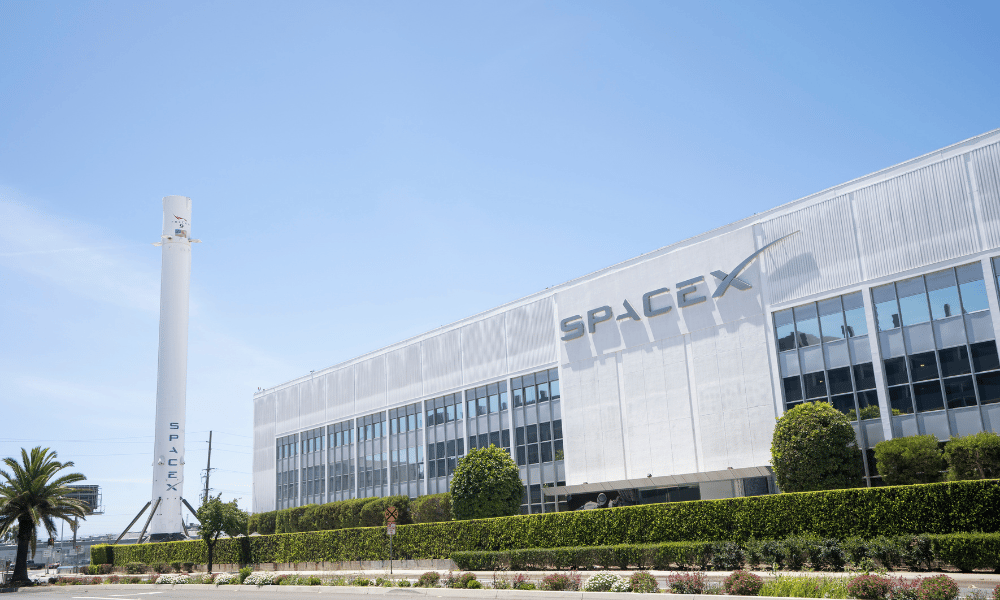
Eight SpaceX employees wrote an open letter about their boss’s tweets. All eight got fired.
The workers had sent the letter to SpaceX management, raising concerns about the company’s work environment and zeroing in on the social media posts of founder Elon Musk. According to the complaint, Musk frequently used his Twitter account (now X) to share company news - rocket launch updates, that sort of thing - but mixed in sexually explicit posts and content that demeaned women and LGBTQ individuals. The complaint alleged those posts were widely shared among staff and “permeated” the workplace.
After national news outlets reported on sexual harassment allegations at SpaceX, the workers drafted what they called an “Open Letter,” asserting that Musk’s posts constituted “sexual harassment.”
SpaceX moved fast. The day after the letter circulated, the company terminated four workers who were identified as authors, citing their role in “conceiving, writing, and distributing the Open Letter.” Over the following weeks, SpaceX’s HR department investigated employees suspected of helping draft it. The remaining four each admitted to participating. They were fired too.
All eight sued in California state court, bringing claims including retaliatory termination, hostile-work-environment sexual harassment, and gender discrimination. SpaceX answered the complaint, removed the case to federal court, and moved to compel arbitration under employment contracts all eight had signed.
That is where the Ending Forced Arbitration of Sexual Assault and Sexual Harassment Act of 2021 (EFAA) came in. The Ending Forced Arbitration of Sexual Assault and Sexual Harassment Act, passed in 2021, lets workers alleging sexual harassment take their claims to court instead of private arbitration - even if they signed an agreement saying otherwise.
SpaceX argued the law did not apply. Its position: simply asserting that conduct amounts to sexual harassment should not be enough. The allegations needed to be detailed enough to survive a motion to dismiss - the standard threshold for whether a lawsuit can proceed at all.
The Ninth Circuit disagreed. In a decision filed November 10, 2026, the court held that “allege” in the EFAA means exactly what it sounds like - to assert something as true - not to meet a higher legal bar. Congress deliberately chose not to write that stricter standard into the statute, the court found, even though it had done so in other laws. The court also held that retaliation claims for opposing alleged sexual harassment count as a “sexual harassment dispute” under the EFAA, keeping the entire case - not just the harassment claims - out of arbitration.
The decision was 2-1. The dissenting judge argued courts should assess whether the facts pleaded would actually constitute sexual harassment under applicable law, warning the majority’s approach could let any plaintiff escape arbitration simply by labeling a dispute as sexual harassment.
For HR teams relying on mandatory arbitration clauses, the practical takeaway is direct: employees now face a lower bar to pull sexual harassment-related claims - including retaliation - into open court.