Everything looked promising until the on-site interview - then the mood shifted
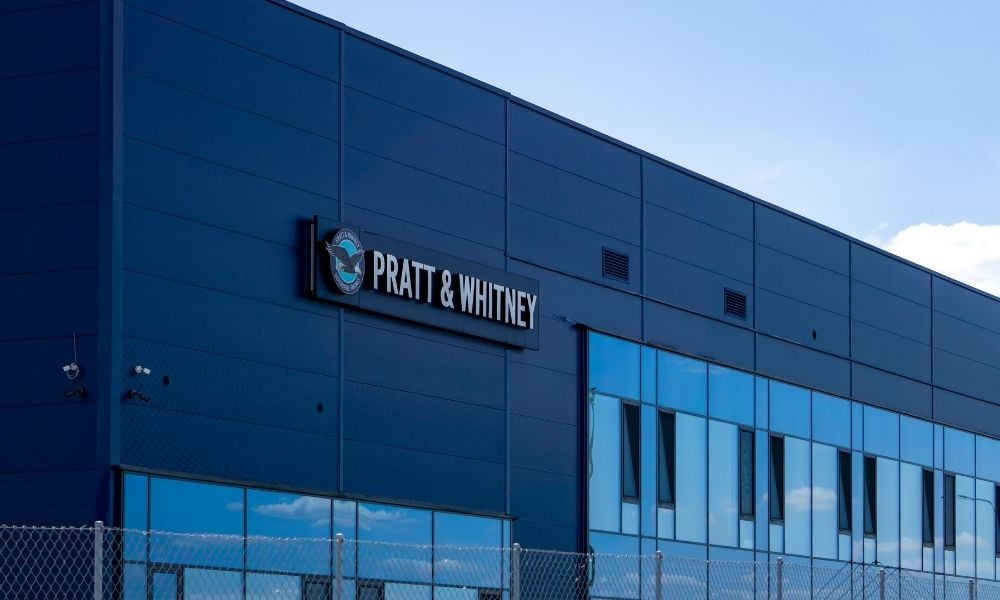
A certified mechanic said Pratt & Whitney all but promised her a job - then hired a man. She lost her discrimination case.
A Connecticut court granted summary judgment to Pratt & Whitney, a division of Raytheon Technologies Corporation now known as RTX Corporation, ending a woman's claim that the aircraft engine maker refused to hire her because she is female.
The applicant was a certified mechanic who had worked as an automotive technician and service advisor at Midas from 2006 to 2017. She applied in 2021 for a mechanical system servicer job and interviewed by phone twice. By her account, it went well. Interviewers told her "everybody was on board" and, later, that "the job is yours if you like the shop when you come and see it." They told her to bring steel-toed boots and safety glasses. The company already knew she was a woman.
The on-site interview, on December 13, 2021, felt different to her. One interviewer would not shake her hand. She testified she could not say why, offering only that it might be "because I'm short, I'm tiny, and I have tattoos and I'm a girl. I don't know."
She did not get the job. The company received 88 applications, interviewed about 15 people, and hired a male candidate with more than 25 years of machining experience and over 20 years repairing hydraulic machine components. She said her qualifications matched his.
Her claim rested on the warm phone calls, the cool on-site meeting, and a remark passed along by her uncle, a company employee, that "word around the shop is [the hiring manager] doesn't like women."
The court was not persuaded. Under the Connecticut Fair Employment Practices Act's motivating factor standard, it found nothing showing gender drove the decision. She offered no evidence about how male candidates were treated, and the court noted she had raised her height and tattoos as possible reasons for the cooler reception.
The uncle's remark did not count. The court ruled it multilevel hearsay and found no proof he worked in hiring or spoke as part of his job, placing it outside the exception for employee statements.
Hiring a man, the court held, is not on its own proof of bias once an employer gives a lawful reason. The motion was granted on April 15, 2025. An appeals court affirmed the decision in 2026.