He bought a Zumba shirt after hearing the tape - and wore it to the hearing
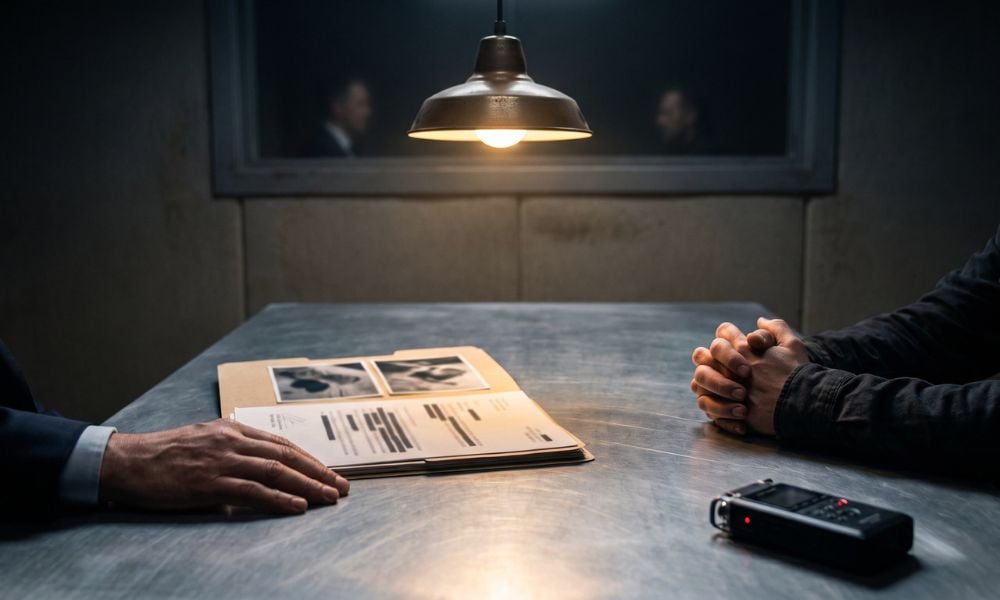
A police pension board tried three times to strip disabled officer's benefits. An appeals court just shut them down and called out members for bias.
The officer was injured on duty in May 2011 while working for the Marion Police Department. Two physicians diagnosed a herniated disc and a bone spur pressing on a nerve root in his upper spine, found the damage permanent and surgery too risky, and concluded he could not return to active police work. The board granted a line-of-duty disability pension in July 2012.
Then came a decade-long tug-of-war. The board terminated benefits in 2018; a circuit court reversed. It terminated again in 2021; the Fifth District Appellate Court reversed that too.
Round three arrived in November 2024. Six days before the hearing, the officer's lawyer dropped a recording of a March 2023 board meeting onto the table.
In it, one member bet the officer would "come in jogging" to collect his paperwork. The same member said he was "probably teaching Zumba someplace." A second member wanted to "go for broke" at the next hearing and approved the court-ordered retroactive payment only "under protest."
The officer bought a Zumba shirt after hearing the tape. He wore it to the hearing.
Both members were asked if they could be impartial. Both said yes. The motion to exclude them was denied.
At the hearing, the board leaned on an examiner who concluded the original injury was merely a strain that should have healed within 12 weeks - directly contradicting the original diagnosis, the court noted. The examiner admitted he did not know the physical fitness standards required for Illinois police officers. Both the 2018 and 2024 functional capacity evaluations classified the officer as capable of only medium-demand work. Police work is classified as heavy-demand.
The board cut benefits again, 3-2. The same two members voted in favour. The circuit court affirmed.
The Fifth District reversed, finding the decision against the manifest weight of the evidence. On bias, the court went further - the recorded remarks showed prejudice, not merely the "thoughtless and indiscreet" comments the board's own order had called them. The two members had prejudged the case and denied the officer due process. The court suggested they be removed from any future hearings involving him.
For anyone who sits on a review panel or administers benefit decisions, the takeaway is simple: the recording is always running.
The decision was filed on September 2, 2026, and published on October 6, 2026.