A vacated ruling and a sharp dissent reopen a fight over religious groups' hiring rights
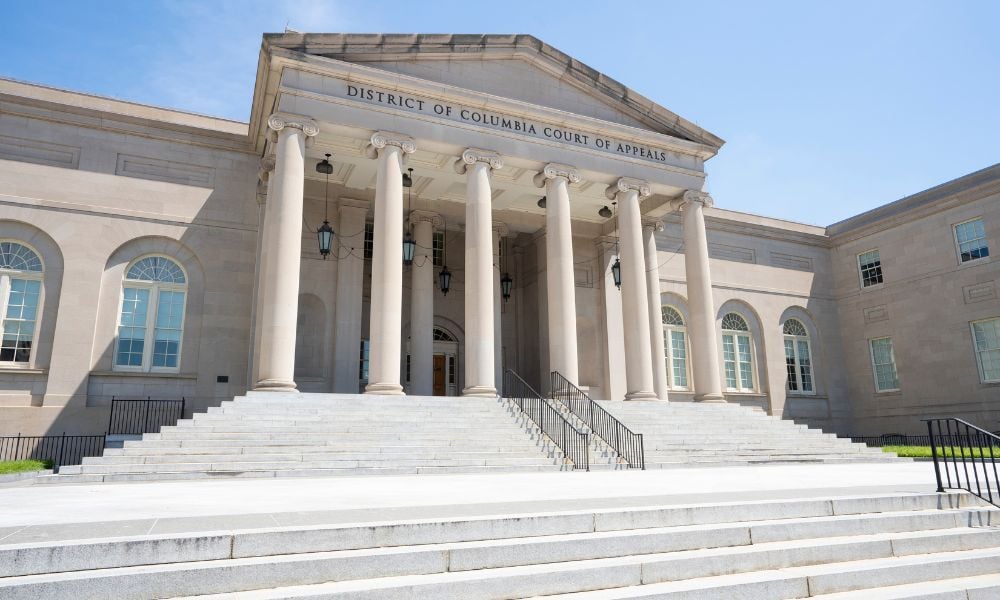
A federal appeals court will rehear a religious organization's case against Washington State officials before its full bench - and three judges objected.
In an order filed June 18, 2026, the US Court of Appeals for the Ninth Circuit agreed to rehear a religious organization's lawsuit against Washington State officials before its full bench - a step lawyers call rehearing en banc. In the same order, the court vacated the opinion its three-judge panel had issued earlier in the case. That panel decision no longer stands.
The plaintiff is Union Gospel Mission of Yakima Washington, a religious organization. It sued the Washington State Attorney General, Nick Brown, along with five officials of the Washington State Human Rights Commission - its executive director and four commissioners. Every defendant was named in an official capacity, meaning they were sued as office-holders, not as private individuals.
The order itself was short. The court did not lay out its reasoning or hint at how it will rule. For employers, the practical message is narrow but real: the panel's earlier ruling is gone, and the underlying legal question is open once again.
The sharper signal came from the dissent. Judge Bumatay, joined by Judges VanDyke and Tung, objected to the decision to rehear the case. The three judges wrote that the court had "relegated religious liberty to a second-class right." They warned it was moving toward letting states force a religious organization to hire individuals who "openly flout its religious beliefs and teachings." The dissent rooted its argument in the First Amendment's protection of religious liberty and closed with a blunt line: "We are better than this."
So what does this mean for HR? For now, very little is settled - and that is the point. As the dissent frames it, the underlying fight is about whether a state can require a religious organization to hire individuals whose conduct conflicts with its beliefs. The majority did not characterize the dispute or signal an outcome. What employers can take from the order is concrete: the panel ruling is vacated, so no one can rely on it, and the question heads back to the full court.
Faith-based employers and the lawyers who advise them have the most at stake. As the dissent describes it, the case pits a religious organization's freedom to hire on its own terms against a state's authority to step in. Until the full court rules, that line is unsettled in the Ninth Circuit. HR leaders at faith-based organizations will want to follow the outcome before adjusting any hiring or personnel policy.
The Ninth Circuit has not yet ruled on the merits. Granting rehearing simply sends the case to the full court for a fresh decision, and no one knows how it will come out - Judge Bumatay himself allowed that he could be proved wrong.