A return-to-office rollout, a vanishing job, and three applications that went nowhere
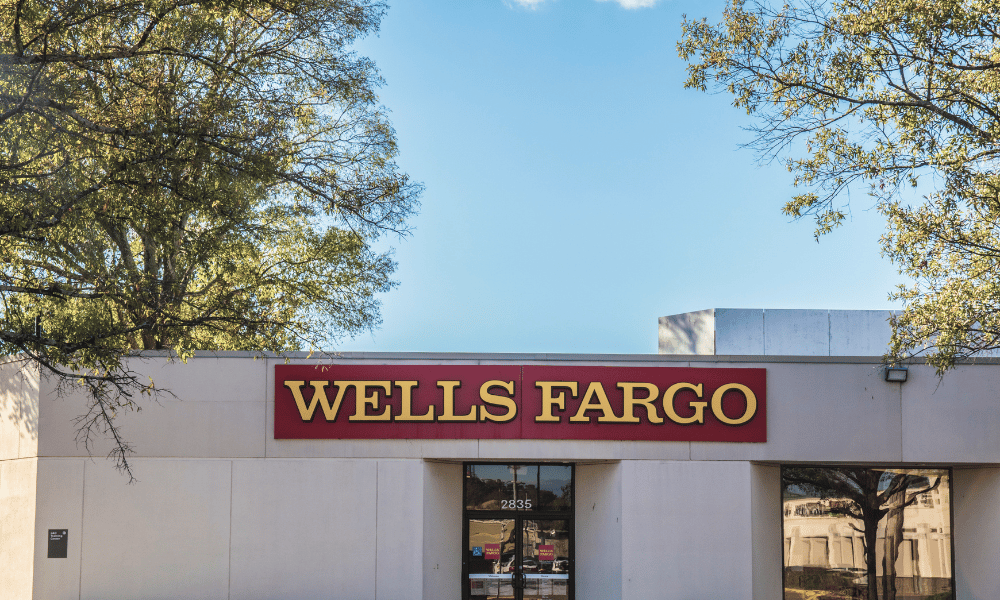
A former Wells Fargo digital product manager says she was fired two days before returning from maternity leave under cover of a return-to-office shake-up.
Kyra G. Sherman has sued the bank in the U.S. District Court for the District of Rhode Island, in a case styled Sherman v. Wells Fargo Bank, N.A., No. 1:26-cv-00258, filed April 28, 2026. Her lawsuit invokes Title VII, the Pregnant Workers Fairness Act, the Family and Medical Leave Act, and several Rhode Island employment statutes covering pregnancy, family leave and civil rights.
The story Sherman tells is, on its face, the kind that makes HR leaders wince. According to the filing, she was recruited from Bank of America in June 2022 into what she understood to be a fully remote role. Her supervisors sat in California and Washington. Her teammates were scattered across the country. She says no one ever raised the prospect of an office return.
She took a first maternity leave in October 2022, came back in February 2023, and, the filing states, collected glowing reviews and merit bonuses two years running. Things shifted, she alleges, after she told her managers in July 2023 that she was pregnant again. Work she would normally have handled, the complaint says, started flowing to less capable colleagues. By the time her leave began, Sherman claims she had so little on her plate that she invented a project of her own — a Career Progression Tool — to stay busy.
Her child was born on January 12, 2024. She started a 16-week leave with a return date of May 2.
On April 30 — two days short of that return — Sherman says she was told her job was gone, a casualty of "organizational changes." The filing alleges those changes were tied to a new "location strategy" identifying Charlotte, Phoenix and San Francisco as core markets for her team. She says she was never told where those hubs would be, never offered a chance to relocate or commute, and was promptly cut off from internal systems, leaving her to apply for open roles as an outside candidate. Three applications, she says, produced zero interviews.
Sherman alleges she was treated differently than peers who weren't pregnant or on leave. The filing points to one colleague allowed to transfer to a Boston-based team that wasn't even on the hub list, and another remote employee in Texas who kept her job. The bank's reasons for letting her go, the filing says, kept changing — reorganization, return-to-office, position elimination — and her role, she claims, was ultimately filled by someone outside her protected class.
For HR executives, the takeaway sits in the overlap. Return-to-office rollouts, reductions in force and protected leave are each fraught on their own. Stack them, and the optics — and the legal exposure — get harder to manage. The case also touches on the Pregnant Workers Fairness Act, a relatively new federal law whose application to leave, accommodation and restructuring decisions HR teams are still working through.
The allegations have not been tested in court. Wells Fargo has not yet filed a response, and no court has ruled.