Hidden paycheck deductions and a housing violation were just the beginning
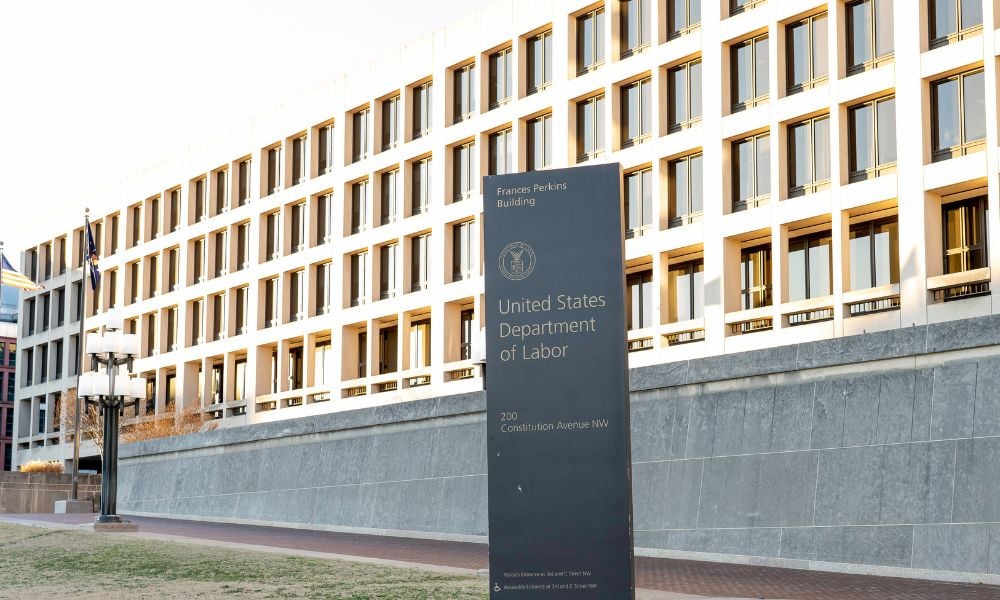
A federal court has upheld Department of Labor penalties against a Maryland landscaping employer for multiple violations of the H-2B temporary worker visa program.
In a decision handed down on March 25, 2026, the U.S. District Court for the District of Columbia sided entirely with the DOL, rejecting every constitutional and statutory challenge brought by C.S. Lawn & Landscape, Inc., a small residential and commercial landscaping company based in Kent Island and Annapolis, Maryland. The company had participated in the H-2B program for more than 20 years before things unraveled.
The trouble started in February 2015, when a Wage and Hour Division investigator responded to a complaint that the company had underpaid workers. That investigation stretched across the company's 2013, 2014, and 2015 program seasons, and by February 2018, the DOL had issued a determination letter identifying a series of compliance failures – the kind of missteps that any employer running a temporary foreign worker program would want to study carefully.
The findings were straightforward but damaging. The company offered prospective U.S. workers less favorable employment terms than it gave some of its H-2B workers. It overstated the number of foreign workers it needed by two. It told workers in its job offer that it would deduct $13.66 per pay period for uniforms and laundry, then actually deducted $18.62. And it housed H-2B workers in a property zoned for suburban industrial use, not residential, without the required permit.
That last point carried the heaviest price tag. Because the housing violated local zoning law, rent collected from workers at the property – $200 in 2013 and 2014, $300 in 2015 – had to be returned in full. The total came to $36,000 in back wages for housing alone, plus $2,083 for the uniform overcharges across 21 affected workers, and $16,000 in civil penalties after a partial reduction on appeal.
The company did not accept those consequences quietly. It took the case to federal court and mounted an ambitious challenge, arguing that the DOL's entire administrative enforcement process was unconstitutional. It claimed the agency had no right to adjudicate the matter without a jury. It argued that the administrative law judge who heard the case was improperly shielded from presidential removal. It contended that the DOL had never possessed the legal authority to write the H-2B regulations in the first place. And it called the combined penalty for the housing violation an excessive fine under the Eighth Amendment.
Judge Tanya S. Chutkan rejected all of it. On the jury trial question, the court found that H-2B enforcement falls within a well-established exception for matters tied to Congress's immigration power – an area where agencies have long been permitted to adjudicate and impose penalties without a jury. The court also pointed out that the company had participated in the program voluntarily, requested the administrative hearing itself, litigated for years before the agency, and never once raised a constitutional objection during that time.
On the question of whether the DOL had authority to write the rules it enforced, the court sided with the Third and Fourth Circuit Courts of Appeals, which have concluded that the DOL does hold rulemaking power over the H-2B program. The court found that Congress gave the Department of Homeland Security broad discretion to decide how to consult with other agencies on visa petitions, and that once DHS assigned the labor certification process to the DOL, the DOL necessarily had to create rules to carry it out.
The excessive fines argument fared no better. The court treated the $36,000 in back wages as compensatory rather than punitive, since it simply returned money the company had collected for housing that did not meet legal standards. The $7,500 in civil penalties tied to the housing issue – $2,500 per year – fell well below the $10,000 statutory cap per violation.
For HR professionals managing temporary foreign worker programs, the decision is a reminder that the details matter. Pay deductions must match what is disclosed in the job offer before workers accept and travel. Housing must comply with every applicable local code. Worker counts on certification applications must be accurate. And the terms offered to domestic candidates cannot be worse than those given to H-2B hires.