A surname-sorting method and an 89% stat were supposed to prove bias. It fell apart
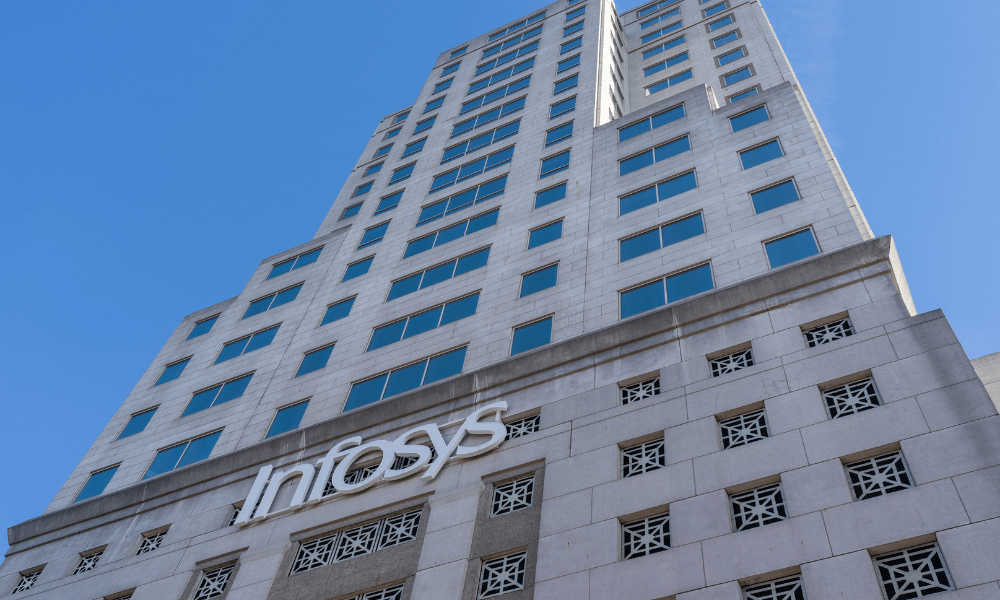
A decade-old discrimination case against Infosys just collapsed - not on the facts, but because the plaintiffs' statistical evidence fell apart.
On July 13, 2026, the Seventh Circuit Court of Appeals upheld a lower court's dismissal of a lawsuit against Infosys, the India-based consulting and technology company. Four people who worked for, or applied to work at, Infosys brought the case. All four are of non-South Asian background, and they alleged the company favored South Asian workers in how it hired and managed staff.
Their case rested largely on one expert. The plaintiffs hired a labor economist to study Infosys's workforce data. He concluded that "89.39% of Infosys' United States workforce was South Asian," against just 11.45% in the relevant domestic industry, and argued chance could not explain the difference.
The problem was how he got there. Infosys did not track worker and applicant demographics in the detail he needed, so he built a five-step "name-matching" method that sorted people as South Asian or not based on their surnames. The trial court ruled he was not qualified for that work and that the method was unreliable, and it excluded his opinions under the federal rule on expert testimony. He had acknowledged at deposition that he had no experience in name matching and no expertise in identifying South Asian names.
With the expert evidence out, the case came apart. The court denied class certification - the plaintiffs admitted they could not certify a class without the analysis - and then granted summary judgment to Infosys on all claims.
The individual claims did not survive either. For three plaintiffs, the court found Infosys had legitimate, non-discriminatory reasons for its actions. One was let go in a reduction in force after receiving the lowest score in a performance cycle. Another was not hired after interviewers concluded she lacked the required skills. A third saw a temporary role end. None could show those reasons were a pretext for bias.
The fourth plaintiff resigned and said she was pushed out. She cited comments about being "American," a coworker connecting her to the Boston Marathon bomber, and colleagues speaking Hindi around her. The court called some of the conduct "crude and mean-spirited" but held it fell short of constructive discharge, which requires conditions that are "pervasive and extreme."
The court also flagged the timeline, noting the case took nearly nine years to reach summary judgment - "an exceptionally long time."
For HR leaders, the ruling is a reminder that discrimination claims rise or fall on evidence. A statistical story about workforce composition carries weight only if the method behind it holds up - and clear records of performance scores, interview notes, and hiring decisions can decide whether a claim clears summary judgment.