He slipped it into an executive slide deck - the bank still came out on top
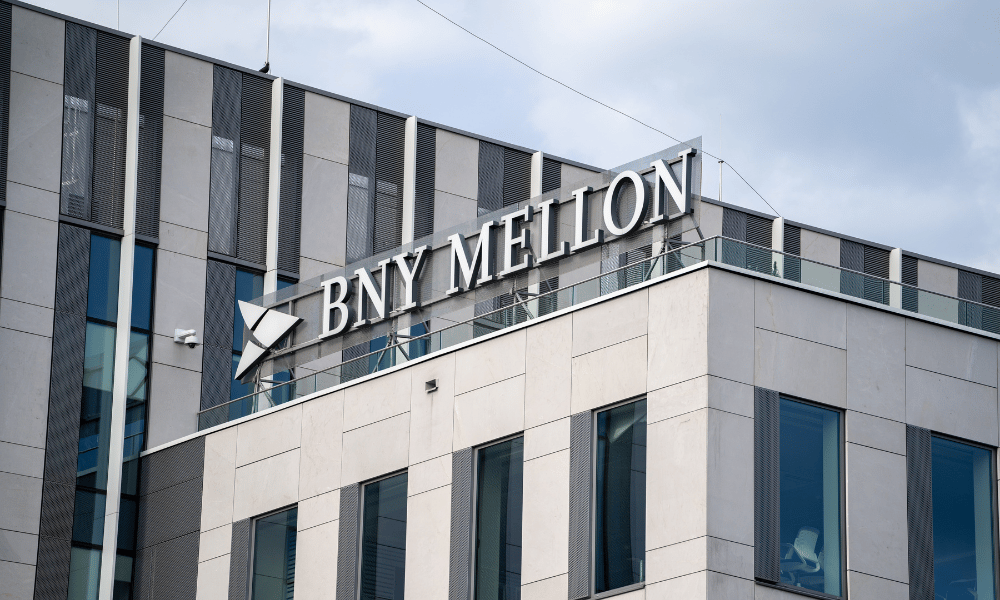
A federal appeals court threw out a Black former manager's race discrimination and retaliation claims against Bank of New York Mellon.
On July 6, 2026, the US Court of Appeals for the Third Circuit affirmed a lower court's ruling that ended the lawsuit before it reached a jury, rejecting every claim.
The employee, a Black man, worked at the bank from April 2019 to September 2021. He started as a portfolio manager in the bank's asset servicing technology division, reporting to a London-based chief operating officer. At first, things went well. That manager gave him strong reviews and generous bonuses, and by the employee's own account never said anything negative about Black people.
The relationship grew more complicated around a workplace diversity effort. In August 2020, after the Black Lives Matter protests, the manager was asked to run "courageous conversations" aimed at "supporting diversity." Preparing for one, he told the employee that he "does not believe in Black Lives Matter [or] in the concept of white privilege," describing himself as a "capitalist, and a banker." The employee said he took the comments as opposition to the BLM movement, not a belief that Black lives don't matter.
In January 2021, the manager suggested the employee gain experience in a different director-level role at the same pay and grade. The employee found a project manager job he said "perfectly matched" his experience, interviewed, and accepted it. A different division head offered him the role over a white applicant.
The move soured quickly. Before fully transitioning, the employee slipped a footnote into a slide deck headed for senior executives, calling his old division "an unsafe environment for black employees to advance and to expand their managerial skills." He never took the concern to human resources. A colleague noticed the footnote and reported it, and the bank investigated and found the claim unsubstantiated.
On his new team, several colleagues raised performance concerns. In June 2021, after being passed over for another role, he filed a charge with the Equal Employment Opportunity Commission. In August, his new manager placed him on a performance improvement plan. Two days later, he emailed back, saying he believed he was still being discriminated and retaliated against. Weeks later, in a reorganization, the bank cut his position - he was, the manager said, the weakest of her four director-level reports.
The ruling offered plenty for HR teams to note. On discrimination, the court applied same-actor reasoning: the manager who hired the employee, over a white candidate, was the one who later cut his role, which the court said weighed against any claim of racial bias. It also stressed that the job was eliminated, not filled by someone else.
On retaliation, only thirteen days separated his protected complaint from the internal decision to end his employment - enough for an initial inference. But the court found the bank had legitimate, well-documented reasons: a planned reorganization and steady performance criticism from multiple colleagues, some with no knowledge of his complaints. His manager's feedback, the court said, targeted the way he raised his concern, not the concern itself.
The court rejected his hostile work environment claim because he barely pressed it on appeal, and it affirmed the dismissal of his punitive damages claim.