Two alleged assaults in one day, yet both employers walked - here's the gap
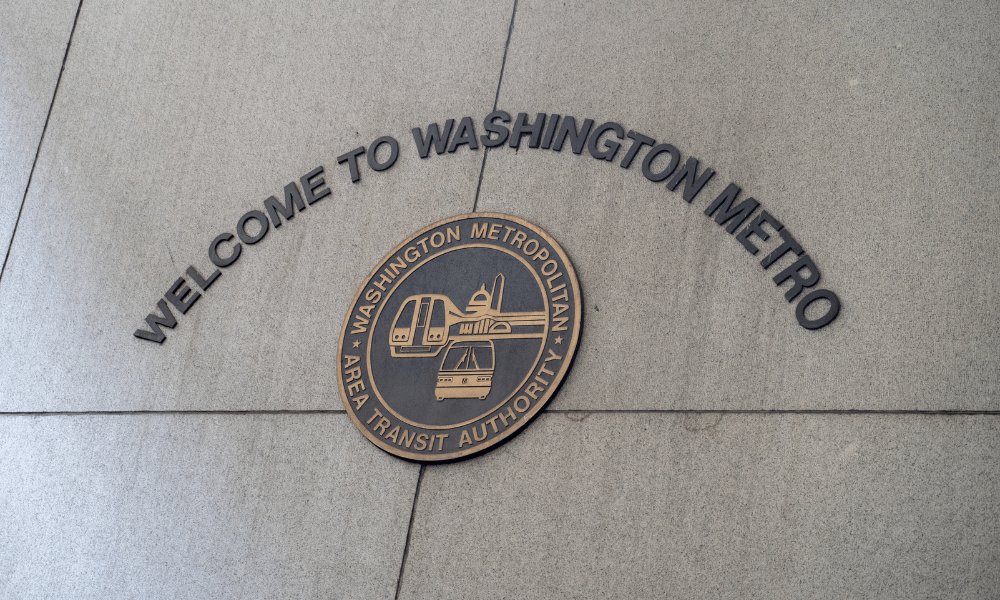
A passenger said she was assaulted twice in one day. On August 22, 2026, a judge dismissed every claim against the transit agency and hospital.
The case reached the US District Court for the District of Columbia after the plaintiff said she was attacked on a Washington Metropolitan Area Transit Authority (WMATA) Metrobus in December 2020, then removed by force from MedStar Washington Hospital Center hours later when she went for treatment. She did not sue either alleged attacker. She sued their employers, arguing WMATA and MedStar were negligent in how they supervised, hired, and kept the workers involved.
For HR leaders, the ruling shows what these claims demand - and where they tend to fail.
According to the complaint, the bus driver ignored her requests to call police and later opened the doors as she was pushed off the bus. At the hospital, she said a security guard grabbed her by the collar, dragged her through the emergency room, and shoved her out. A supervisor then issued a five-year barring notice. The complaint alleged the guard "appeared visibly agitated, hostile, angry and otherwise appeared to be on amphetamines or some other illegal drug."
The court did not decide whether any of that happened. It ruled that, even accepting her account as true, she had not pleaded enough to hold the employers liable.
Negligent supervision, hiring, and retention all turn on one question: did the employer know, or should it have known, that the worker was dangerous before the incident? The plaintiff pointed to the guard's conduct during the encounter itself. The court held that was not enough, explaining that "the employer's knowledge of the employee's proclivities must precede the employee's tortious acts."
The negligent hiring claim failed for a related reason. She never alleged that MedStar skipped a background check, or that a reasonable check would have turned up a reason not to hire the guard. The court called this "res ipsa loquitur-style logic" and said it "falls short of the threshold required to survive a Rule 12(b)(6) motion."
WMATA had an added defense. As a public entity, its hiring, training, and supervision decisions are treated as discretionary and shielded by sovereign immunity, so that claim was dismissed for lack of jurisdiction.
The plaintiff, who sought $2 million, also lost race-discrimination and emotional-distress claims for lack of specific facts.