Algorithm flagged 28 workers. The three fired were all women over 55
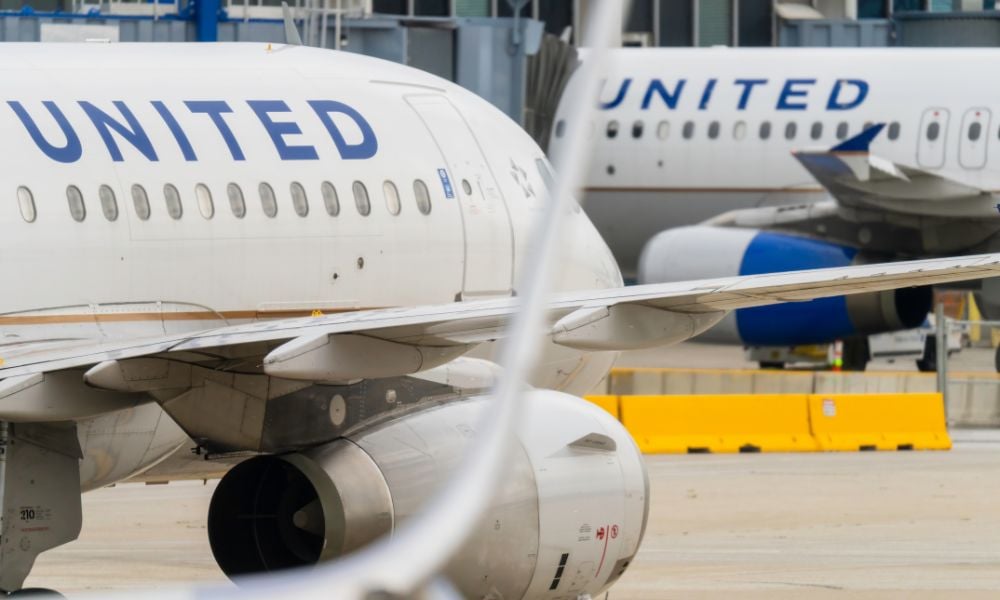
A federal appeals court just handed HR departments a clear message: you cannot use a collective bargaining agreement as a shield against age discrimination claims.
The Fifth Circuit Court of Appeals ruled December 11 that United Airlines must face a lawsuit from Anna Palova, a veteran flight attendant who says the carrier targeted older workers during the pandemic while hiding behind contract violations as cover.
Palova had worked for United since 1992, logging nearly three decades with what she describes as a spotless record. That ended abruptly in February 2020 when the airline fired her for "parking," an industry term for manipulating flight schedules.
The practice works like this: flight attendants place unwanted trips on colleagues' schedules temporarily to facilitate trades later, sometimes for compensation. United's joint collective bargaining agreement with its flight attendants explicitly forbids parking.
After a March 2019 company memo warning of zero tolerance for the practice, United's security team built an algorithm to scan flight trading data. The system flagged 28 attendants across three hubs. Palova was one of them. She got a letter February 17, 2020, summoning her to an investigation meeting three days later. United presented her with a spreadsheet it said proved her parking violations. Palova claims the document was illegible, printed in tiny font, and handed to her less than an hour before the interview. The airline terminated her February 28.
But Palova saw something else in the numbers. All three Houston-based attendants fired for parking were women in their late fifties or early sixties with decades of service. She also noted the algorithm weighted seniority heavily in identifying violators, effectively targeting the oldest workers. Her theory: United used parking investigations as a pretext to cut expensive senior employees as COVID hammered the airline industry.
She sued in October 2021, claiming age discrimination under federal law and Texas state law. United asked a district court to throw out the case, arguing the Railway Labor Act stripped federal courts of jurisdiction over the dispute. The lower court agreed and dismissed the lawsuit in March 2024.
The Fifth Circuit reversed that decision. Circuit Judge James E. Graves Jr. wrote that even if Palova did violate the parking rule, that does not end the inquiry. A jury still needs to decide whether United enforced that rule equally across age groups. The court pointed to a similar 2008 case involving Southwest Airlines, where a flight attendant claimed the carrier applied attendance policies discriminatorily based on sex. That case also survived attempts to route it through labor arbitration.
The distinction matters for HR teams. The appeals court said Palova is not challenging what the contract says. She is challenging how United applied it. That puts her claim squarely in discrimination territory, not contract interpretation. United argued this case differed because Palova denies she parked at all, while the Southwest plaintiff admitted violating attendance rules. The court found no meaningful difference. Either way, the real question is whether the airline used legitimate policy violations as cover for illegal discrimination.
The ruling sends the case back to district court, where it can proceed to trial. The court also told the lower judge to consider evidence Palova wanted to add: a Pinterest post allegedly from her supervisor mocking senior flight attendants.
For HR professionals, the takeaway is stark. Having a legitimate reason to fire someone under a collective bargaining agreement does not immunize you from discrimination claims if workers can show you applied the rules selectively based on age, race, sex or other protected characteristics.