The firefighter lost his job, won in court, then lost again on appeal
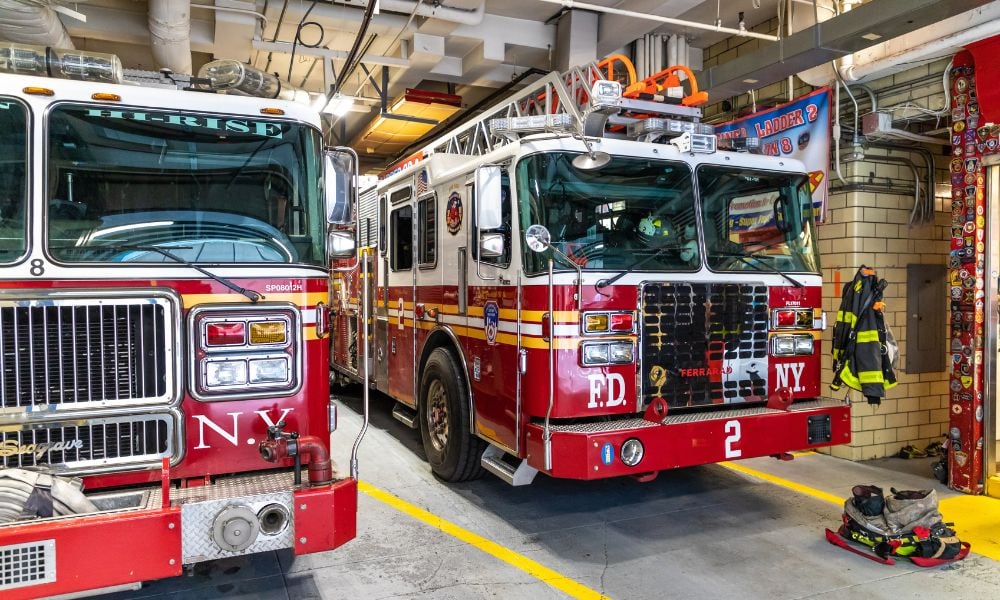
A New York appeals court has sided with the New York City Fire Department after a firefighter challenged the denial of his religious vaccine exemption.
The Appellate Division, Second Department handed down its decision on October 7, 2026, finding the city’s denial of the accommodation request was neither arbitrary nor a breach of its obligations under the New York City Human Rights Law (NYCHRL).
The firefighter had been employed by the New York City Fire Department (FDNY) when the city’s Commissioner of Health and Mental Hygiene issued a mandate on October 20, 2021, requiring all city employees to show proof of COVID-19 vaccination by October 29, 2021. The firefighter did not comply. He was placed on leave without pay on November 1, 2021.
Four days later, he requested a religious accommodation. The FDNY denied it on November 29, 2021. He appealed to the City of New York Reasonable Accommodation Appeals Panel, which upheld the denial on February 20, 2022. He was terminated on March 15, 2022.
The firefighter then brought an Article 78 proceeding - the New York procedural route for challenging government decisions - against the FDNY and the city. He sought to have the panel’s determination annulled, along with back pay and attorneys’ fees.
A lower court agreed with him. The Supreme Court, Richmond County found the city had failed to engage in the “cooperative dialogue” required by the NYCHRL before denying a reasonable accommodation request. It also found the denial was arbitrary and capricious. The court granted the petition, annulled the panel’s decision, and awarded back pay and fees.
The city appealed. The Appellate Division reversed.
The appeals court held the panel’s determination had “a sound basis” because granting the accommodation would have caused the FDNY undue hardship. It also rejected the argument that the city’s process fell short of its cooperative dialogue obligations, noting the city had publicly provided information on how to apply for accommodation, how to appeal denials, and that the firefighter had engaged with that process throughout.
The court pointed to the sheer volume of accommodation requests FDNY employees alone had filed, all of which the city had to resolve “under a constrained timeline during an evolving public emergency.” Under those circumstances, the court found the firefighter had not shown that the NYCHRL “required a more robust or individualized dialogue than the process he received.”
The decision was unanimous.
For HR teams still navigating the legacy of pandemic-era vaccine mandates, the ruling offers a practical marker: a well-documented, publicly communicated accommodation process can satisfy cooperative dialogue requirements even without individualized back-and-forth - particularly where volume and emergency timelines make that impractical.