She leaned on the accommodation for nearly a year — then one write-up changed everything
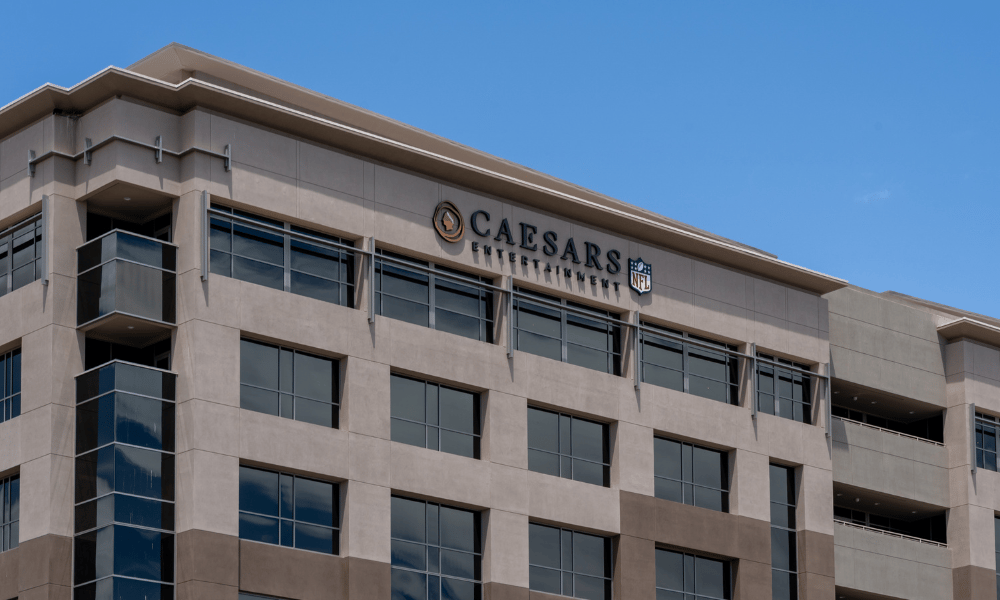
A Louisiana beverage server says Caesars Entertainment disciplined her for a side effect of her bipolar medication, then stripped away an accommodation she had used for nearly a year.
That, at least, is the story Alyiah J. Dargin lays out in a lawsuit filed on April 17, 2026, in the US District Court for the Western District of Louisiana (Dargin v. Caesars Entertainment, Inc. d/b/a Horseshoe Lake Charles, No. 2:26-cv-01233). No court has ruled on the allegations, and Caesars has not yet responded. But for HR leaders, the sequence she describes reads like a textbook on how an accommodation can quietly come apart.
Dargin has poured drinks at the Lake Charles casino since November 2017, first under its previous owner, Isle of Capri, and then under Caesars after her employment rolled over in December 2022. She has been medically diagnosed with bipolar disorder. In September 2023, her psychiatrist sent the casino formal paperwork asking for intermittent leave and a flexible schedule, explaining that her condition is episodic and that her medication can leave her subdued. According to the suit, Horseshoe agreed. For roughly nine months, she was allowed to start late on difficult days without penalty.
Then, she says, things changed fast.
On June 1, 2024, the suit alleges, General Manager Russell Deavers pulled her aside and reprimanded her for failing to appear cheerful and for "lacking emotion" while serving a patron. Dargin says she explained, on the spot, that her medication affects her facial expressions. Deavers, the filing claims, told her it "did not matter." No customer had complained.
A week later, on June 8, she received a formal write-up for the same moment. The suit says Caesars first tried to classify it as a Tier 2 offense — the kind that can trigger immediate termination — and only stepped it down to Tier 1 after Dargin pointed out she had a clean record. Even so, the Tier 1 action came with disciplinary points, pushing her closer to the 10- or 12-point threshold that, under company policy, can end in termination.
Shortly after that write-up, Dargin says, the flexible-scheduling arrangement she had relied on simply vanished — no warning, no explanation. HR Supervisor Montee Miller allegedly told her that from then on, she would have to call out for an entire shift any time her disability kept her from arriving on time. Each call-out, the suit notes, carries its own attendance points and costs her hours of pay.
When Dargin and her psychiatrist resubmitted the same paperwork that had worked the first time, Caesars called it "ambiguous," according to the filing, and asked the doctor to cap her restrictions at three months. Her psychiatrist wrote "unknown," citing the unpredictable nature of bipolar disorder. On September 16, 2024, the suit says, HR and corporate representatives told her none of her requested accommodations would be honored.
Dargin is suing under the Americans with Disabilities Act for failure to accommodate and disability discrimination, seeking back pay, front pay, compensatory and punitive damages, and a jury trial.