Roles ranged from solo utility work to serving customers through bulletproof glass
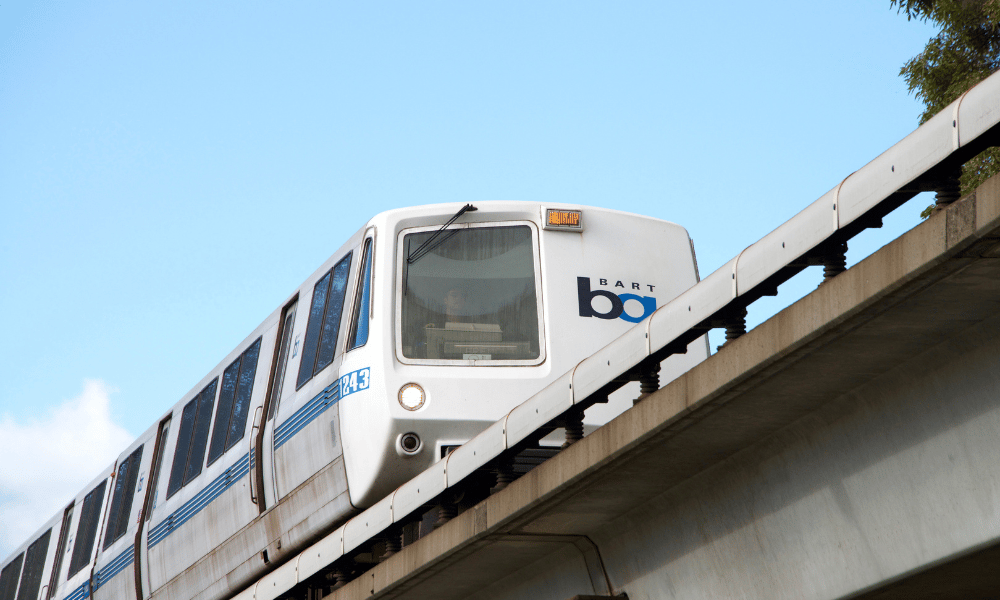
BART lost its appeal over a $7.8 million verdict after failing to prove that accommodating six religious objectors would have been an undue hardship.
On September 11, 2026, the US Court of Appeals for the Ninth Circuit affirmed a jury award of $7,824,580 to six former employees of the San Francisco Bay Area Rapid Transit District (BART). Each of the six received more than $1 million.
The workers had objected on religious grounds to BART's COVID-19 vaccine mandate. BART issued the policy in October 2021 and required vaccination by December 13, with exemptions available for medical and religious reasons. Its Leave Management Department found 70 employees eligible for a possible accommodation - then concluded it could not accommodate any of them. Altogether, 73 employees who requested a religious exemption lost their jobs. The six sued under Title VII and California's Fair Employment and Housing Act.
BART argued the evidence entitled it to judgment as a matter of law, or at least a new trial. The court disagreed. Under the Supreme Court's 2023 decision, an employer claiming undue hardship must show that an accommodation would be worse for safety by a "substantial," "excessive," or "unjustifiable" margin - not simply that vaccination was the most effective option.
BART could not clear that bar. It never put the public health guidance it relied on into the record. Instead of calling the officials its pandemic task force had consulted, it put forward two after-the-fact litigation experts. The court said reliance on public health guidance was "not dispositive," and the jury was free to give that expert testimony as much or as little weight as it saw fit.
What made the case turn was the nature of the work. Unlike firefighters and hospital staff in the earlier Petersen and Williams decisions the panel distinguished, these six held roles with minimal close contact. A utility worker testified she mostly worked alone. A technician said 90 percent of his work could be done alone or remotely. A clerk served the public through a bulletproof window and communicated through a microphone. Nothing in the record showed any of the six were unable or unwilling to mask or take other precautions. BART is in the transportation business, the court wrote, not health and safety.
The panel also upheld front pay for one worker and refused BART a new trial. A concurring opinion faulted the trial court's handling of a separate free-exercise claim, which the majority found moot.