The report allegedly flagged him for a violent crime and a machine gun — neither was true
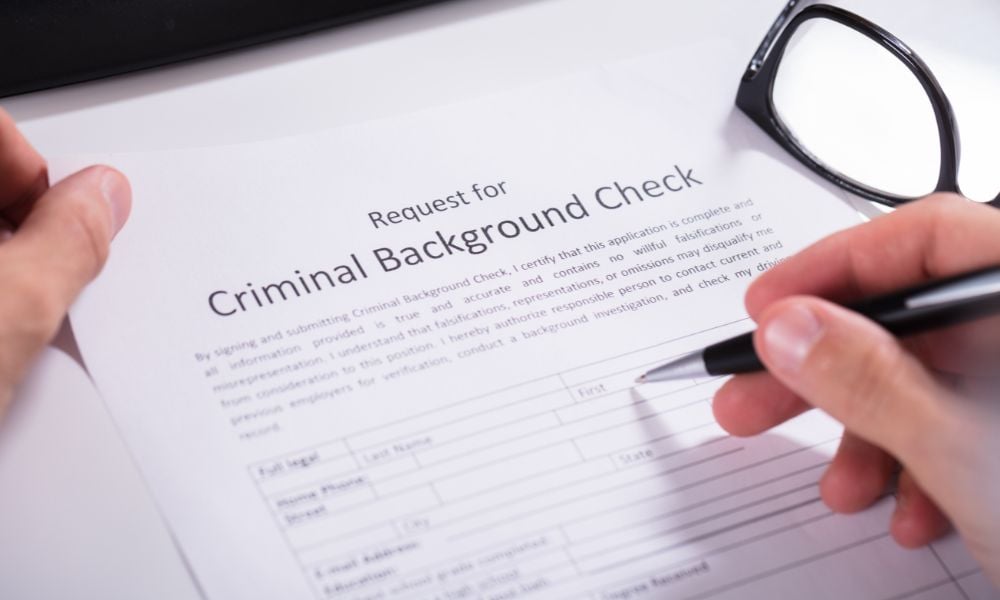
A job applicant says he did everything right — and still lost the offer over a background check he was never shown.
Jashar Morris applied online for a position with Allied Universal Compliance and Investigations, a staffing firm that employs roughly 150,000 people. According to a class action filed February 10 in federal court in the Middle District of North Carolina, what followed was a hiring process that checked every box — until it didn't.
Morris interviewed in person at the RJ Reynolds Building in Winston Salem on October 28, 2025. He was upfront about his criminal history. He said he could pass a drug test. By the end of the day, he had an offer letter in his inbox, had passed the test, and had completed the company's onboarding paperwork.
Two days later, Allied Universal ordered a background check. The report came back on November 3. Morris, meanwhile, sent two emails asking about next steps. He heard nothing until November 10, when an employee informed him by email that the offer had been pulled — citing unfavorable information in the report.
The filing alleges the report contained inaccurate information, including that Morris had pled guilty to a violent crime and had been charged with possessing a machine gun in 2005. Morris says neither was true.
What makes this case particularly relevant for HR professionals is not just the alleged inaccuracy — it is what happened next. Morris was never given a copy of the report before the decision was made, the lawsuit states. When he asked for one, he was told the company could not provide it and was directed to contact the background check vendor, Criminalrecordcheck.com, on his own.
Under the Fair Credit Reporting Act, employers are required to share a copy of the background check with the applicant and give them time to respond before making a final hiring decision. It is a step designed to catch exactly this kind of error — a wrong record, a misattributed charge — before it costs someone a job.
The lawsuit proposes three classes of affected individuals and estimates that at least 25,000 people could fall within their scope. It seeks statutory damages of between $100 and $1,000 per violation, along with punitive damages and attorneys' fees. No determination on the merits has been made.
For HR teams — especially those in staffing and high-volume hiring — the takeaway is straightforward. The pre-adverse action step is not a formality. It is the mechanism that protects both the applicant and the employer. When it gets skipped, the exposure is not just legal. It is reputational. And at the scale of a company like Allied Universal, it can be enormous.