A supportive manager and past remote work were enough to keep the case alive
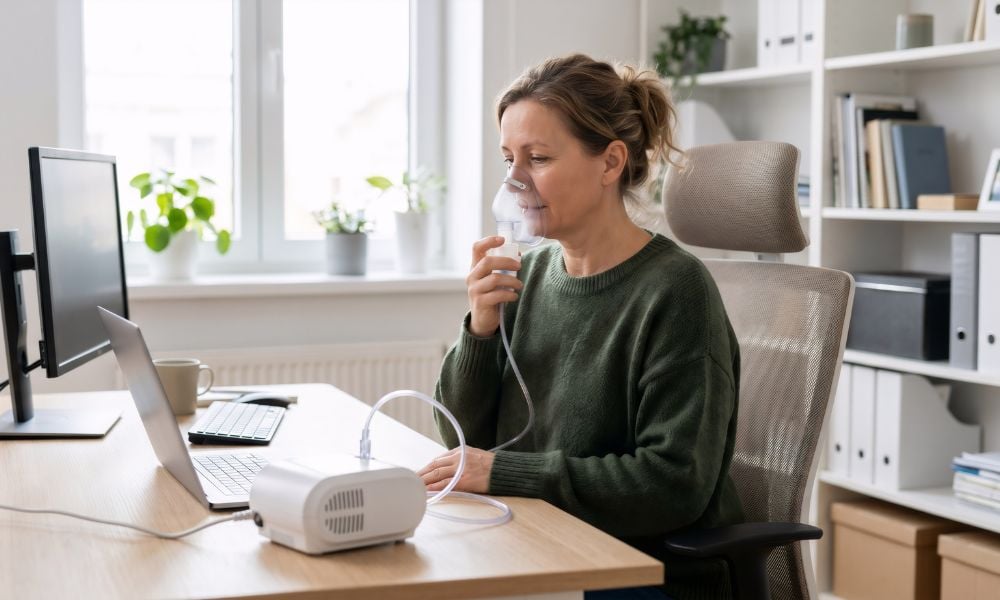
A US appeals court restored a disabled worker's accommodation claim, sending it back to a lower court for another look.
On July 24, 2026, the Second Circuit Court of Appeals partly sided with a longtime New York City employee who says his agency mishandled his request to change where he worked.
The employee, who has chronic respiratory illness, had worked for the city's tax agency for years. During the pandemic he worked from home. In March 2022, the city set a hybrid schedule: three days remote, two days at a Manhattan office. He asked instead to spend his in-office days at a Staten Island location closer to home, saying the commute and the Manhattan office worsened his breathing. The agency refused.
A trial judge dismissed his entire case. On appeal, the outcome was split.
The part HR teams should note is the accommodation claim. The appeals court found the worker had done enough to move forward. Three pleaded facts mattered: he had worked from home through the pandemic, the agency later let him keep two remote days a week, and his own manager backed his request for the Staten Island office. Together, the court said, those made it plausible he could do his job with the accommodation he wanted.
The trial judge had asked for too much, too soon. As the court put it, the rules do "not require a plaintiff to plead evidence." An employee does not have to spell out every essential job function to get past an early dismissal.
The worker lost on his other claims. The court upheld dismissal of his disability discrimination claim, finding his alleged harm did not touch "the terms and conditions of employment," even under the Supreme Court's more forgiving standard in Muldrow v. City of St. Louis. It also upheld dismissal of his retaliation claim. A manager's mention of a possible investigation - quickly walked back as a "rumor" that "wasn't true" - did not count as punishment. And a promotion denial 11 months after his right-to-sue letter came too late to look like payback.
For HR, the lesson sits in the accommodation ruling. A record of successful remote work and a supportive manager can help keep an accommodation claim alive. Careful notes on the interactive process, and clear business reasons for each decision, matter from the first request.
The court sent the accommodation claims back to the district court, which has not decided whether the accommodations already offered were reasonable. The ruling settles how the case moves forward, not who is right.