Open enrollment is a chance to fix vision coverage employees skip because of cost at the exam
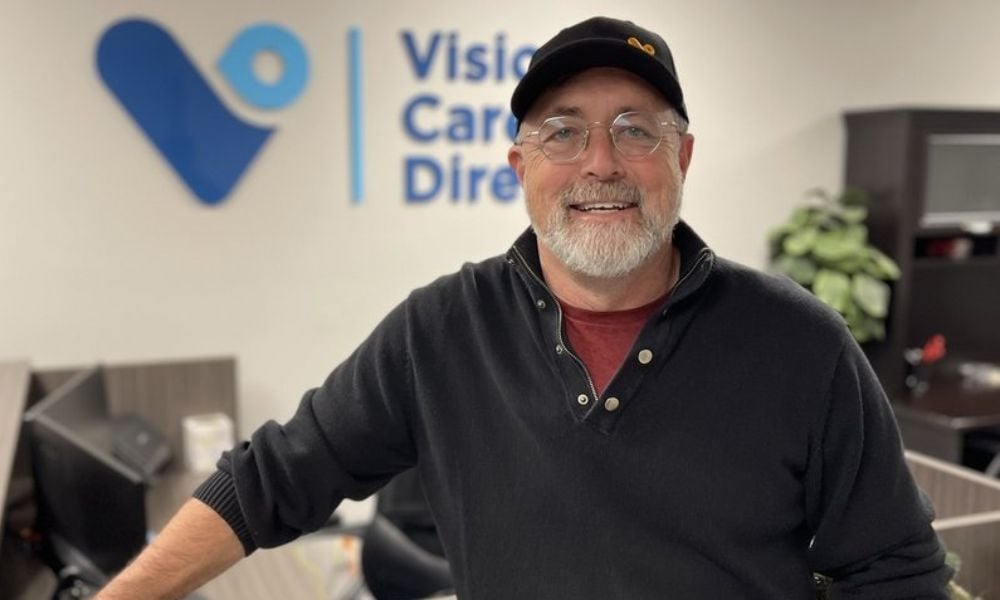
Vision benefits rarely get much attention at open enrollment. Most employers pick the plan with the lowest premium and move on to medical. Dr. Don Railsback, an optometrist and co-founder of Vision Care Direct in Wichita, Kansas, says that habit undercuts the main reason to offer vision coverage at all.
A vision plan earns its value through the routine eye exam, Railsback said, and plans with a low premium but high costs at the point of service discourage employees from booking one. Skip the exam and the early warning on diabetes, hypertension and other conditions goes with it. The group health plan pays later.
"The best thing to do with a vision plan is to implement a plan where you're at least covering an eye exam for every employee," Railsback said.
Vision Care Direct is provider-owned and sells plans built on this model, with low out-of-pocket costs instead of the cheapest monthly rate. Independent survey data backs up at least part of his case.
Why cost at the exam matters for vision benefits
In GoodRx survey data covered by HRD, vision care was among the services financially strained respondents were most likely to skip over cost, with 37 percent avoiding it. A separate Opinium survey of 2,000 US workers, commissioned by Vitality, found 53 percent had put off preventive care because of what it would cost them.
Railsback said vision carriers often win an account with a low opening rate.
"Oftentimes in the vision plan market, we'll have companies coming in and they'll try to buy business with a very low rate. And then like everything else in healthcare, they have to raise the cost of the plan each year as they see what the utilization is," he said.
According to Railsback, approximately 90 percent or more of Vision Care Direct's long-tenured groups have never had a rate increase. That is the company's own figure and has not been independently verified.
What an eye exam can catch
A comprehensive eye exam goes well beyond a glasses prescription. The American Optometric Association (AOA) sets out what a full exam checks, and Railsback said an exam can flag up to 270 health conditions.
Diabetes tops the list. Tens of millions of US adults have prediabetes and most of them don't know it, according to national diabetes data from the Centers for Disease Control and Prevention (CDC).
"When you go in for an eye exam, they're going to look inside your eye, and when they look in there, they can actually see your blood vessels in their natural state," Railsback said. "Eye doctors get a really good insight about your cardiovascular, your vascular health, whether or not you're at risk for hypertension."
Over his clinical career he found choroidal melanoma, a tumor inside the eye, in three patients who had no symptoms.
"One of the gentlemen I found it in, I only got to see him because his wife made him come in for an eye exam," he said. "He was 20/20 at distance and near. He had no issues whatsoever, but he had a tumor in his eye. We found it early enough that they were actually able to treat the tumor and save his eye."
Had it spread, Railsback said, the cost to the employer's health plan would have been "astronomical."
Screens, strain and lost productivity
Then there's screen time. Railsback described computer vision syndrome as a fast-growing problem. The eye refocuses constantly between the screen surface and the projected image, and over a full workday that causes headaches, eye fatigue, dry eye, and neck and back pain.
"You can see after 8 hours of doing that, especially if you don't take breaks, you're causing a lot of stress and fatigue," he said. "That kind of stuff is skyrocketing."
HRD has reported that AI is adding to employee workloads instead of reducing them. For office staff that usually means longer stretches at a monitor. Railsback said employees who wear computer glasses set for monitor distance get more done and are less tired at the end of the day.
He also pointed to an ergonomics review that he said saved one company more than half a million dollars in expected claims. An employee's workstation setup was causing chronic headaches and wrist pain. Two planned surgeries were canceled after it was fixed.
Average health benefit costs per employee rose 6.7 percent in 2026. The same increase is projected for 2027, according to Mercer's National Survey of Employer-Sponsored Health Plans as reported by HRD.
"If we can positively affect that and also help people have a better quality of life and be more productive, then it's a huge win for our employers," Railsback said.
What to ask a vision carrier before renewal
Railsback said a vision plan should be able to supply four things: annual utilization data showing whether employees use it, research on health outcomes for people with and without routine eye exams, lunch-and-learn sessions for staff, and diabetic screening services.
The utilization data is the part to push on. HRD has reported that spending on benefits employees never use seldom shows up as a failure in return on investment (ROI) reporting. A vision plan with a cheap premium and few exams booked is a good example.