Alight’s new health reimbursement account lets HR teams set a fixed budget for weight management drugs rather than end coverage
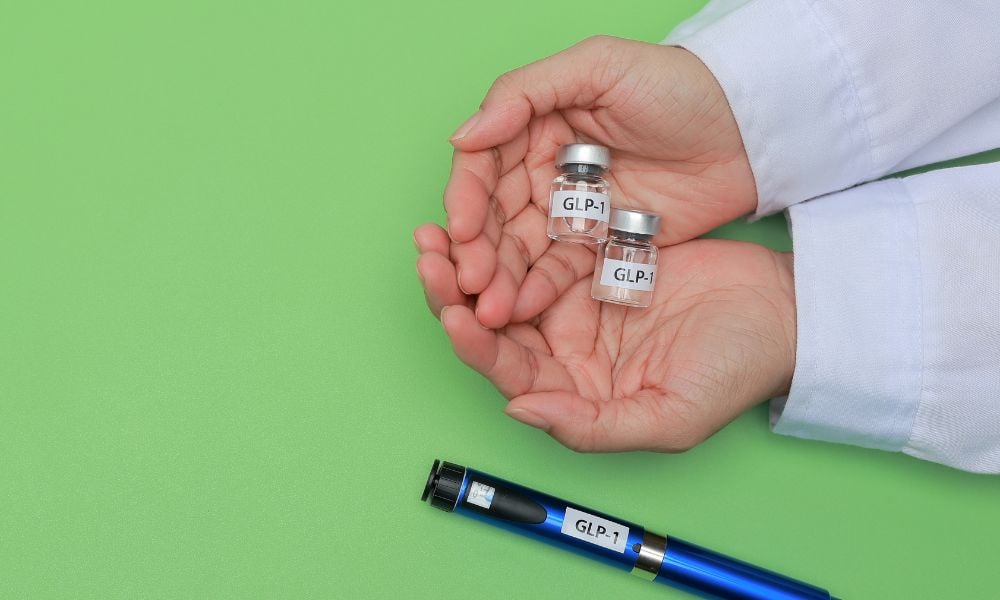
Employers weighing whether to end coverage of glucagon-like peptide-1 (GLP-1) weight loss drugs have a new defined-contribution option that stops short of eliminating access.
Alight, Inc., a benefits administration company based in Deerfield, Illinois, announced the Alight GLP-1 health reimbursement account (HRA) on October 13, 2026. The product lets employers reimburse employees for eligible GLP-1 medication costs through a fixed, employer-funded structure instead of open-ended coverage inside the core health plan. Alight says the HRA can run alongside health savings account (HSA) and high-deductible health plan (HDHP) designs in line with Internal Revenue Service (IRS) rules, and employers can use it on its own or as part of a wider weight management approach.
The launch arrives as coverage shrinks. A Business Group on Health survey of 127 large employers found the share covering GLP-1s for weight management fell from 72 percent in 2025 to 60 percent in 2026, and 14 percent have dropped or plan to drop that coverage by 2027. Our report on employers dropping weight loss drug coverage ahead of open enrollment covers how those decisions reach employees in the coming weeks.
Why employers are pulling back on GLP-1 coverage
Cost is the main driver. Marsh’s actuaries estimate that rising GLP-1 use accounts for a full percentage point of the 8.2 percent increase in employer health benefit costs Marsh projects for 2027. Total US spending on GLP-1 receptor agonist drugs rose from $13.7 billion in 2018 to $71.7 billion in 2023, in 2023 dollars, according to a JAMA Network Open research letter by researchers at the American Medical Association and the Centers for Disease Control and Prevention. Products approved for type 2 diabetes made up 89 percent of the 2023 total. Alight’s own data shows GLP-1 drugs made up 42 percent of the prescriptions it reviewed for members in 2026, up from 32 percent in 2024. Those figures come from Alight’s client base and have not been independently verified.
Ending coverage settles the budget question in the short term, but employees who rely on the drugs lose the benefit entirely, and the effect on workforce health and retention is harder to measure at renewal.
How the reimbursement account structure works
Two designs are common for GLP-1 HRA carve-outs. An integrated HRA ties the benefit to the employer’s group health plan and has no IRS-set contribution cap, so employers can set higher annual limits, though it cannot sit alongside an HSA-eligible HDHP without careful structuring. An excepted benefit HRA stands apart from the group plan, but employer-funded reimbursement before the deductible is met can count as first-dollar coverage and cost employees their HSA eligibility for the year, so plans often limit reimbursement to preventive use or wait until the minimum HDHP deductible is met. For plan years beginning in 2026, the IRS caps the amount newly made available under an excepted benefit HRA at $2,200 per employee, according to IRS Revenue Procedure 2025-19 on 2026 inflation-adjusted amounts. The employer must still offer a traditional group health plan, though employees do not have to enroll in it. HR teams should confirm with Alight which structure the product uses before comparing it with alternatives.
The International Foundation of Employee Benefit Plans (IFEBP) 2026 GLP-1 Drugs Pulse Survey, fielded June 2 to June 12, 2026, found that 21 percent of surveyed US employers encourage employees to use flexible spending accounts (FSAs), HSAs or integrated HRAs for GLP-1 drugs.
“Employers are looking for practical ways to respond to growing demand for GLP-1 medications while balancing access, affordability and cost management,” said Karen Frost, senior vice president and health and navigation solution leader at Alight. “Our solution provides the infrastructure, flexibility and insights to define the support employers want to provide, set clear guardrails and give employees a simpler path to eligible reimbursement.”
Where the cap runs out
Whether a cap helps depends on drug prices. Eli Lilly’s Employer Connect platform lists Zepbound at $449 a month, and it sits among the direct-to-employer platforms that operate outside a standard pharmacy benefit manager contract. At that price, a $2,200 cap covers about five months of one drug, and anything priced higher runs out sooner. HR directors designing these programs should test whether the contribution level offsets cost in a meaningful way or leaves most of the expense with the worker.
Alight is not the first to offer this. WEX introduced a comparable GLP-1 HRA in March 2026, which suggests the approach is becoming an established product category.
For organizations that have dropped GLP-1 weight management coverage, or are weighing it, the design decisions that follow now carry the weight. Contribution levels and eligibility criteria will decide whether employees see real value.