The confrontation at CBS was months in the making. The question is who should have seen it coming
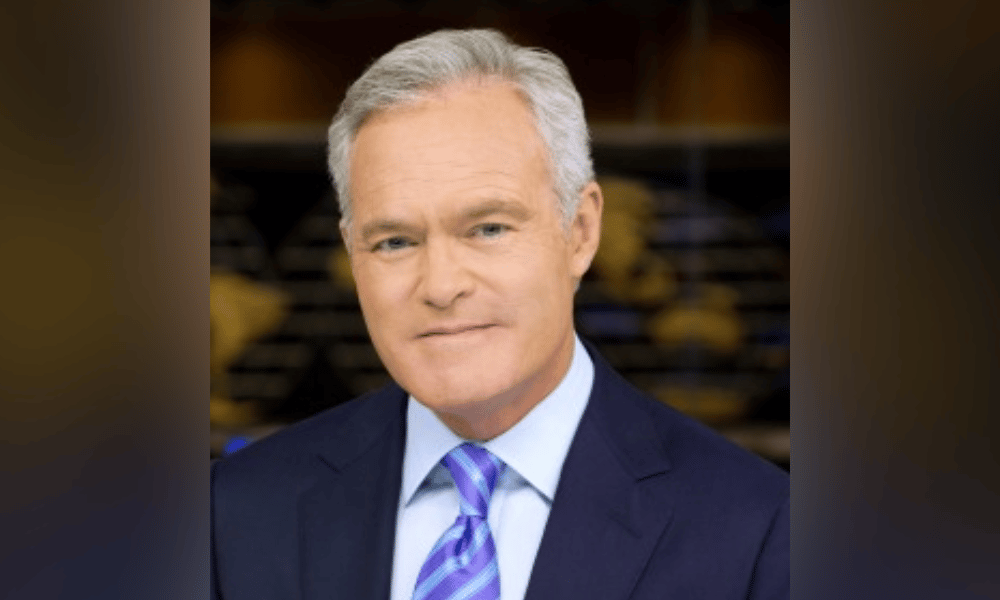
Photo: CBS News, Public domain, via Wikimedia Commons
When Scott Pelley, a longtime “60 Minutes” correspondent and former anchor of the CBS Evening News, publicly confronted Nick Bilton at his very first all-staff meeting as the new executive producer of the show, calling the appointment a product of “slender qualifications,” few in HR would have been surprised by what came next. Bilton fired him the following day. The termination letter cited Pelley’s “performative display of hostility” and his rejection of an earlier invitation to meet privately.
It made for explosive television-industry news. But for HR leaders watching from the outside, it raised a more familiar set of questions: who bears responsibility when an executive transition collapses this publicly, this fast?
“There is a slight ‘what do you expect to happen’ kind of feel to it,” said Matthew Bidwell, Professor of Management at the Wharton School of the University of Pennsylvania. “On CBS’s side, to end up in a situation where you are so alienating your star performers, that’s not somewhere you want to be in the first place.”
Bidwell acknowledged, however, the difficulty facing any new leader walking into that room.
“It’s always hard for new executives coming in,” he said, “but we’re not used to seeing that level of explicit resistance from staff, and I think it does put the executive in a very difficult position.”
The damage was done before Bilton arrived
To understand how it got to that point, context matters. In the weeks before Bilton’s first meeting, CBS News Editor-in-Chief Bari Weiss had already fired “60 Minutes” executive producer Tanya Simon and correspondents Sharyn Alfonsi and Cecilia Vega. Pelley, a 35-year CBS veteran, was not simply reacting to a new boss. He was reacting to the perceived dismantling of an institution.
“It kind of feels like this was an early getting-to-know-you meeting,” Bidwell said. “So he may well have been trying to do all of that. But all of this other stuff had already happened. It’s not really a reaction to him.”
READ MORE: How to make organizational change work across generations
Peter Cappelli, the George W. Taylor Professor of Management at the Wharton School and Director of Wharton’s Center for Human Resources, placed the blame squarely on leadership.
“Management is in charge, so blame has to start with them. They certainly knew that the new executive producer was a controversial choice. If they wanted to make it work, they would have arranged a small meeting first.”
Sequencing, it turns out, matters as much as the hire itself. Organizations that make sweeping changes before a new leader has had the chance to establish credibility are setting that leader up to absorb the backlash.
The reality facing outside hires
Even in less charged environments, the data on executive transitions is sobering. Research from global executive search firm Heidrick and Struggles, based on an analysis of 20,000 placements, found that approximately 40 percent of senior executives hired from outside are pushed out, fail, or quit within 18 months. A 2021 study by global leadership consulting firm DDI, based on data from more than 15,000 leaders, found that 47 percent of executives hired from outside are considered failures, with cultural and relational challenges cited more often than technical ones as the reason.
Bidwell points to the underlying tensions that can drive those numbers.
READ MORE: First 100 days, lasting loyalty: How onboarding keeps new hires
“There tends to be quite a lot of suspicion about you. Obviously, what we’ve seen at CBS is extreme, but generally there’s a ‘Who is this person, what are they going to do, why didn’t they promote one of us? They don’t understand our business, they don’t understand our culture, they don’t understand how we do things around here, so why are we going to trust their decisions?’”
When change is the point
There’s a harder truth embedded in the CBS story, and both experts acknowledged it. Not every leadership transition is designed to preserve a culture. Sometimes it’s designed to replace one.
“Sometimes the intention is pretty much to break the culture,” Bidwell said, drawing a comparison to Elon Musk’s acquisition of Twitter. “There’s a slight sense that that’s a little bit of what’s been going on at CBS as well. It’s a very deliberate: we want to implement massive change, you guys are all happy with how things have worked here, but we think it’s terrible.”
In those situations, conventional onboarding wisdom, focused on listening, reassurance, and gradual integration, offers limited protection. The resistance is structural, not personal.
“I’m not sure how easy it is to sugarcoat them,” Bidwell said of large-scale cultural shifts, “particularly when it comes from a place of certain hostility to the old values.”
Cappelli points to the cost calculus organizations often overlook. When it comes to long-tenured, high-status employees who resist new leadership, he said, “the question is whether it is worth losing them. Either they quit, they stay and complain, or they withdraw. That is part of the cost of a change process to anticipate. In this case, the on-air talent are part of the brand.”
What HR can realistically do
When it comes to HR’s role, both experts are realistic about what’s possible.
“I’d say they usually don’t do more than brief the new exec on what is happening,” Cappelli said. “The new person is the boss, so it isn’t clear that HR should be doing anything if the new boss doesn’t ask.”
Where HR can add value, both experts agreed, is in the groundwork laid before a new leader ever walks in. Cappelli noted that best practice calls for the incoming executive to meet one-on-one with every direct report early on, and to gather intelligence about existing tensions in advance.
“They should be able to get a sense before starting what some of the conflicts would be,” he said, “and figure out how to deal with them even before meeting.”
Bidwell’s advice for the executive themselves is simpler. “I think the executives I’ve talked to really emphasize that usually the first step is listening, making sure people feel heard, and going a little bit slowly on the big changes at first.”
For Bidwell, the CBS story is ultimately bigger than one firing.
“What you’re seeing is a massive cultural shift,” he said, “and those are always pretty traumatic in organizations.