Chairperson and four other executives also face reductions as JAL enforces shared-leadership accountability
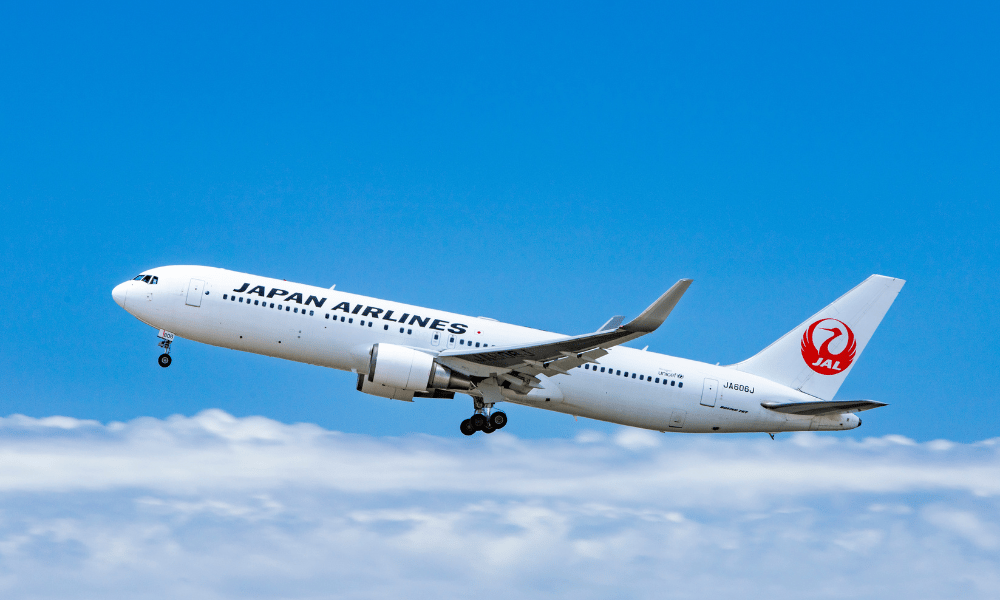
Japan Airlines docked CEO Mitsuko Tottori's pay by 30% for two months after two cabin crew members violated the airline's preflight alcohol policy, the carrier said. The move illustrates a workplace accountability practice that remains distinct from HR norms in many Western markets.
A Japan Airlines spokesperson told Business Insider the cut was designed to demonstrate accountability for the incident. "Through these measures, we demonstrate our uncompromising commitment to strengthening our oversight and executing fundamental organisational reform," the spokesperson said. "We accept full accountability for the structural weaknesses that failed to prevent this incident and for the insufficiency of our previous safety measures."
Chairperson Yuji Akasaka will take an equivalent 30% reduction and lose his post as safety controller, according to AeroTime, which also reported that three other executives in flight operations and safety management received disciplinary action.
Two executives overseeing safety and cabin operations face 20% pay cuts for one month, while all other directors and executive officers face 10% reductions for a month, the Japan Airlines spokesperson said. One cabin crew member was fired and another suspended.
What triggered the discipline
The incident centered on Flight JL252, scheduled to depart Hiroshima Airport for Tokyo's Haneda Airport at 7:40 a.m. local time on 23 May, which was delayed by 42 minutes after a cabin attendant tested positive for alcohol. The attendant had been drinking with a colleague at a hotel bar during a layover, exceeding the airline's 12-hour preflight alcohol restriction, and then failed to properly report her test result the next morning.
Japan's transport ministry has opened an inspection into the airline as a result. In response, Japan Airlines banned cabin crew from drinking alcohol during layovers entirely, regardless of layover length.
This is not the first time JAL executives have absorbed pay cuts over crew alcohol violations: managers including Akasaka took cuts of up to 20% for three months following a 2018 case in which a pilot was jailed for excessive alcohol before a London-to-Tokyo flight.
A standard, if symbolic, HR lever
Pay docking tied to frontline misconduct is a recognized accountability mechanism in Japanese corporate governance, not a legal requirement. Curtis Milhaupt, a Stanford Law School professor specialising in Japan's legal system, said the practice functions as public communication rather than enforcement: it's "simply a way of communicating a sense of responsibility to the public."
Other recent cases follow the same pattern. In December 2024, Nomura Holdings CEO Kentaro Okuda took a three-month pay cut and apologized after a former employee was charged with attempted murder and robbery. Executives at MUFG Bank took a three-month reduction in January 2025 after an employee was accused of stealing $9 million from customer deposit boxes.
Milhaupt cautioned that these gestures rarely change underlying behavior, since misconduct persists across Japanese corporations despite the practice. The JAL case underscores a structural difference: accountability is distributed upward through shared leadership penalties rather than concentrated solely in termination of the individual responsible.