His FMLA leave was approved - then the negative hours started piling up
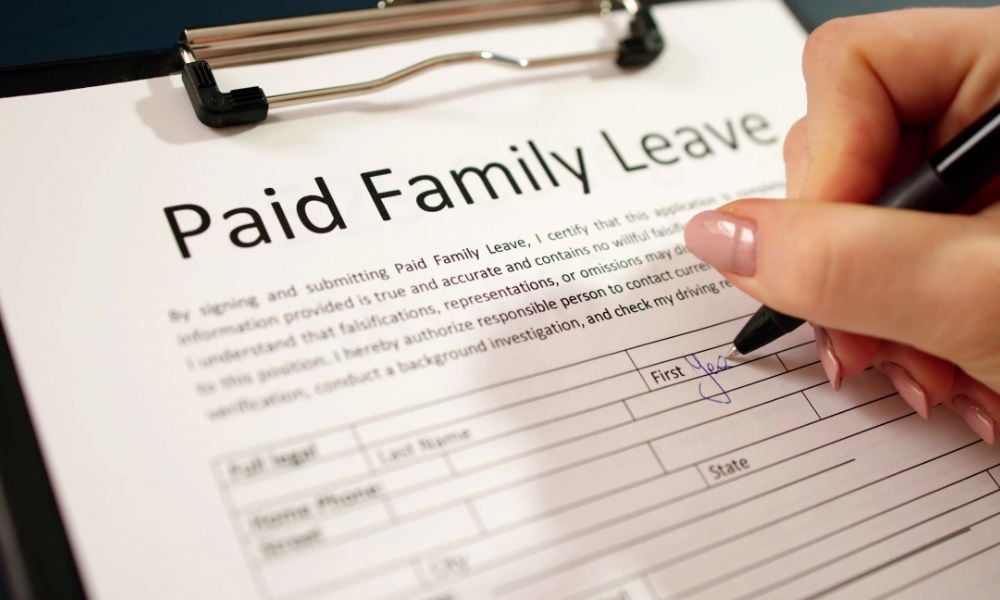
A former Amazon manager says the company fired him over negative hours his approved family leave should have covered.
The complaint, filed July 17, 2026 in the US District Court for the Northern District of Indiana, is a cautionary read for any HR team that runs attendance and terminations through automated systems.
The worker was employed by Amazon.com Services LLC as a Process Assistant Manager from around February 2022 until he was fired on or about February 26, 2026, according to the filing. His job included monitoring attendance and productivity, supporting associates, and helping management run daily operations.
In November 2025, the complaint says, his wife - also an Amazon employee - became seriously ill with kidney, liver, and thyroid-related conditions. From around November 25, 2025, he says he had to miss work or come in late to care for her and take her to the hospital and medical appointments.
He asked for leave under the Family and Medical Leave Act, the federal law that gives eligible employees job-protected time off to care for a family member with a serious health condition. Amazon approved his FMLA leave on or around February 8, 2026, the filing says, and later increased it - from two days off a month to four, while still allowing him to be up to two hours late each day if needed.
Then it unraveled, according to the complaint. Even with the approval, he alleges, Amazon kept marking him absent for time that fell within his FMLA parameters, and his account slid into negative hours. He says that balance came from Amazon's failure to apply his approved and partially approved FMLA cases to his absences.
The worker says he called and emailed HR and management again and again to get the hours corrected, explaining each time that the shortfall was tied to his leave. The complaint states that an HR representative told him he could not be terminated because he had open cases. On or about February 26, 2026, the filing says, Amazon fired him through an automated email that cited negative hours.
The appeal, as the worker describes it, went the same way. He says an operations manager reviewing the termination leaned on a single phone call and never read the documentation, emails, or FMLA paperwork he had submitted. He says he was told he would either get a detailed written explanation or be reinstated and got neither. In the end, he says, he was told the decision would stand and that he could reapply as a basic associate months later - after about four and a half years with the company, part of it as a manager.
In a statement, Amazon spokesperson Haley Silva said: "Amazon follows the law and cares deeply about our employees, including their right to take protected leave." The company did not address the specific allegations in the complaint.
The complaint brings two claims: FMLA interference and FMLA retaliation. It alleges Amazon counted protected time against him and fired him for requesting and using leave. He is seeking back pay, front pay, lost benefits, liquidated damages, and attorneys' fees.
For HR leaders, the themes are familiar: retroactive FMLA designation, the distance between an approval on paper and how a timekeeping system actually applies it, and whether an appeal is a real second look or a rubber stamp of the first.
The allegations have not been tested in court, and no judge has ruled.