HR leaders urged to 'set clear expectations' amid a growing preference for AI
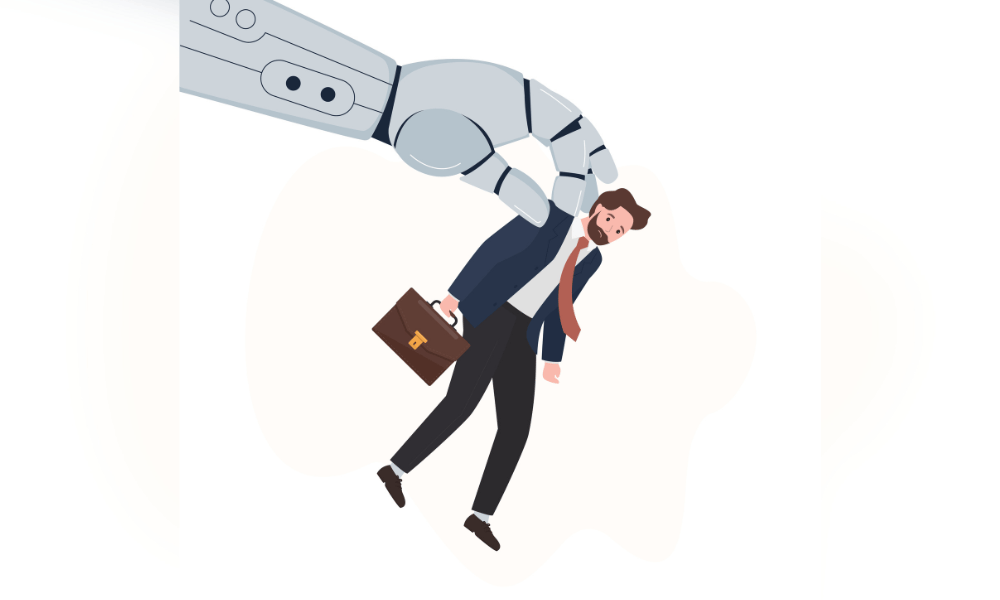
HR leaders have been advised to "set clear expectations" on how AI is used at work as new findings reveal that more managers agree that replacing employees with AI is a good thing for the organisation.
A new report from Beautiful.ai unveiled a growing preference among managers towards AI over human employees.
In the report, 35% of managers agreed that replacing employees with AI tools is a good thing for their company, and they hope it happens more often in 2026.
The share of managers agreeing with this perception is up significantly from the 23% in 2025, indicating the growing acceptance of AI at work.
The perception comes as a portion of managers believe that it would be financially beneficial to replace a large number of employees with AI tools (42%), noting that multiple employees they currently manage could be replaced by the technology (37%).
"In other words, while efficiency—not downsizing—is the primary reason for adoption, improved output from AI is beginning to reshape what managers believe is economically possible," the report read.
Jason Lapp, CEO at Beautiful.ai, said the findings indicate how "early" organisations are in understanding AI's true role in the workplace.
"Replacing people may look attractive on paper, but it often ignores how work actually gets done," Lapp told HRD.
"The fact that many managers see replacement as financially attractive tells you they're under pressure, not that it's the right long-term move."
Lapp's remarks echo previous warnings from other experts about making long-term decisions involving the workforce when it comes to AI adoption.
A global report from leading AI authorities Thomas Davenport and Laks Srinivasan earlier this year cautioned leaders against headcount reductions and hiring freezes ahead of AI delivering actual value to their organisations.
"Don't make workforce decisions based on AI potential that hasn't been proven yet," an insight from the report read. "Getting ahead of what AI can actually deliver today creates risk, not efficiency."
What can HR leaders do?
Providing clarity on how AI should be used at work, as well as investing in upskilling, should be HR leaders' priorities amid managers' growing preference for AI tools.
"For HR leaders, the priority now is to define how work evolves, not just who does it. That means setting clear expectations for how AI is used, investing in reskilling, and giving managers the tools to lead through change," Lapp told HRD.
The report stressed that companies treating AI solely as a cost lever risk eroding their workforce's trust.
"Those that treat it as a capability multiplier, paired with thoughtful people strategy, will build a durable advantage," the report read.