He was off the clock and jogging when a co-worker's truck hit him – then came the catch
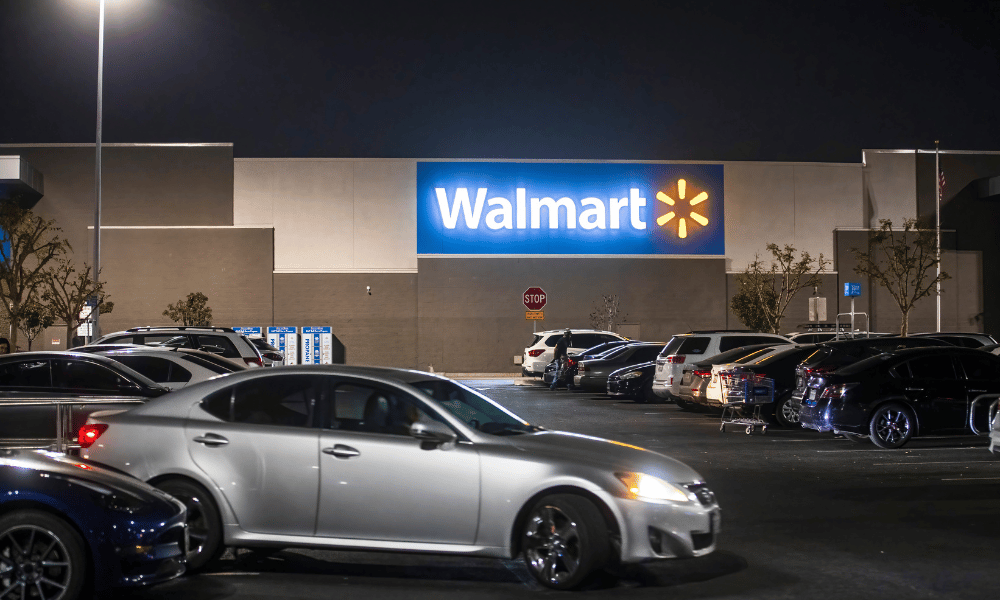
Walmart worker who says he was off duty when hit by a co-worker's truck lost his lawsuit after accepting workers' comp.
On March 20, 2026, the Supreme Court of Alabama affirmed a ruling in favor of Walmart, Inc. and one of its employees, closing the door on a civil lawsuit brought by another worker injured in a late-night accident at a company distribution center. For HR leaders, the case is a sharp reminder of how workers' compensation, once accepted, can block other claims and how off-duty injuries on company property can still get pulled into the workers' comp system.
The case began with an October 2, 2024 incident at a Walmart distribution center. At around 9:46 p.m., employee Phillip Duke was jogging in the facility's parking lot. He said he was off duty at the time. Fellow Walmart employee Qeon Gray was operating a tractor-trailer in the course of his job when the vehicle struck Duke, causing injuries.
A couple of months later, on December 12, 2024, Duke sued both Walmart and Gray in Pike Circuit Court in Alabama. He accused Walmart of negligence and wantonness, as well as negligent hiring, training, supervision and retention, and he relied on vicarious liability theories tied to Gray's actions.
Against Gray, he also tried to proceed under Alabama's co-employee liability provisions, which allow suits in narrow circumstances when one employee's conduct toward another is considered especially serious. In the complaint, Duke alleged that Gray failed to see him and ran over him, and further alleged, on information and belief, that Gray was under the influence of illegal drugs and drove recklessly and wantonly at the time of the collision.
Walmart's response did not focus on those factual details. Instead, the company raised a familiar shield: the exclusive-remedy provisions of Alabama's Workers' Compensation Act. Under those provisions, when an employee's injury falls within the scope of the statute and the employee receives workers' compensation benefits, those benefits generally become the sole remedy against the employer.
To support its position, Walmart submitted records through a corporate director indicating that Duke had, in fact, received workers' compensation benefits tied to the October 2, 2024 accident. The records showed payments for medical care, temporary total disability and other benefits, with accompanying checks issued by Walmart Claims Services, Inc. identifying Duke as the claimant.
In response, Duke did not deny that he received those payments. Instead, he argued that the Workers' Compensation Act should not apply because he was off duty, was jogging rather than performing normal work activities and was not logged into his work tablet when the accident occurred. From his point of view, that meant he should be free to pursue a regular civil lawsuit.
The trial court was not persuaded. It granted summary judgment to both Walmart and Gray. For Walmart, the court found it undisputed that Duke had accepted workers' comp and medical benefits while represented by counsel and without reserving any right to pursue other remedies. For Gray, the court concluded that Duke had not produced evidence of conduct severe enough to meet Alabama's narrow standard for co-employee liability.
On appeal, the Supreme Court of Alabama agreed. The justices emphasized that Duke had accepted workers' compensation benefits for this very accident and held that this acceptance amounted to an election of remedy. Having taken workers' comp, he could not then treat himself as outside the system and sue Walmart in tort over the same injuries. His arguments about being off duty did not overcome the fact of payment and acceptance under the statute, and new arguments about whether he understood the nature of the checks were not entertained because they had not been raised earlier in the case.
As for Gray, the court noted that Alabama law reserves co-employee lawsuits for cases involving willful conduct, such as an intent to injure or behavior that makes serious injury substantially certain. Allegations that a driver did not see a pedestrian, even coupled with assertions of drug use and recklessness, were not backed by concrete evidence of that level of intent in the summary judgment record. Without such evidence, the claim against Gray could not go forward.
For HR professionals, the decision highlights several practical points. First, workplace injuries that occur on employer premises, even when a worker is off the clock and doing personal activities like jogging, can be treated as workers' compensation matters in practice when benefits are paid and accepted. Second, once an employee accepts workers' comp benefits for an incident, especially with legal representation involved, that choice can shut down later efforts to sue the employer over the same event. Third, co-employee lawsuits remain the exception, not the rule, and require far more than allegations of carelessness or even wanton driving.
The March 20, 2026 ruling does not rewrite the law, but it offers a clear, real-world example that HR teams can point to when explaining to managers, safety officers and employees how workers' compensation interacts with civil liability. It underscores the importance of documenting claims decisions, communicating clearly with injured employees about benefit elections and understanding how off-duty injuries on company property may still wind up firmly in the workers' comp column.