The NLRB issued the subpoenas itself – then penalized Starbucks for requesting them
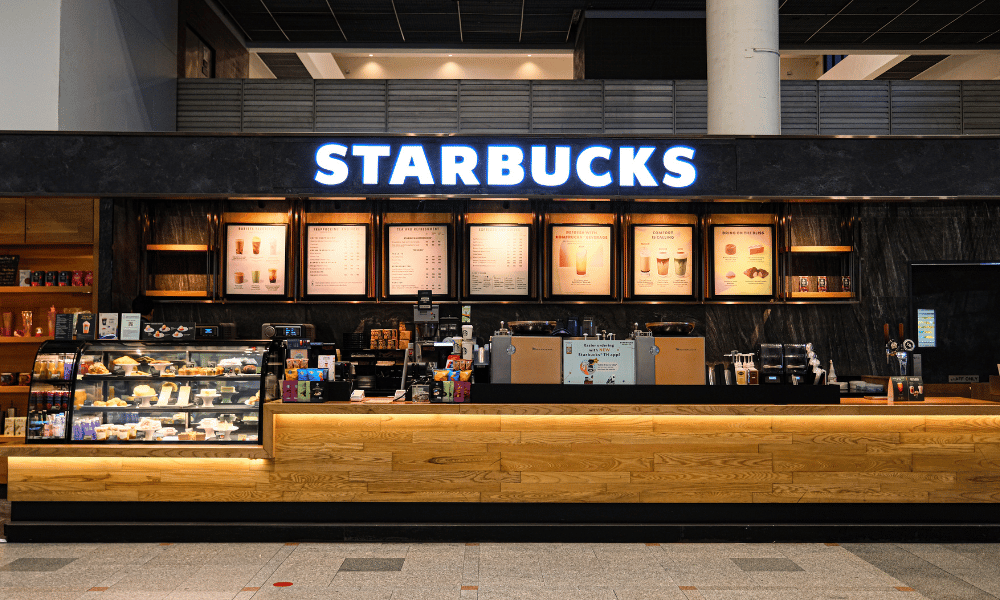
A federal appeals court sided with Starbucks, ruling the NLRB used the wrong standard to penalize the company for subpoenaing pro-union workers.
In an April 17 decision, the Fifth Circuit Court of Appeals vacated an NLRB order that found Starbucks committed an unfair labor practice by obtaining subpoenas targeting two employees involved in a union organizing campaign at its La Quinta, California store. The ruling does not clear Starbucks entirely, but it forces the Board to go back and redo its analysis under a different, more context-driven standard.
The dispute traces back to December 2021, when employees at the La Quinta location began a union organizing campaign. Shift supervisors Andrea Hernandez and Jazmine Cardenas joined the effort openly, and Workers United ultimately won the election for certification as the bargaining representative. In May 2022, the union filed charges accusing Starbucks of unlawful conduct during the campaign. The NLRB issued a complaint, and Starbucks began preparing its defense.
As part of that preparation, the company obtained subpoenas through the Board's standard process – a routine mechanism available to parties in NLRB proceedings. The subpoenas, directed at Hernandez and Cardenas, sought a wide range of materials: communications with the union, messages with coworkers about organizing, documents shared with the Board, and any statements tied to the complaint. An administrative law judge found the requests overbroad and revoked them, though Starbucks was permitted to renew narrower requests following testimony.
That might have been the end of it. Instead, the Board opened a second proceeding, this time arguing that the act of obtaining those subpoenas was itself an unfair labor practice – that by seeking information about employees' union activities, Starbucks had interfered with their protected rights under the National Labor Relations Act.
The Board found a violation, applying a standard from a 1995 precedent called National Telephone Directory Corp. That test weighs employees' interest in keeping their protected activities confidential against the employer's need for the information. It was designed as a discovery tool – a way to decide when subpoenas should be quashed – not as a test for determining whether an employer broke the law.
That distinction is exactly where the Fifth Circuit drew the line. The court held that the proper test for unfair labor practice liability asks whether an employer's conduct would tend to be coercive when viewed under the totality of the circumstances. That means examining the full picture: the identity of the speaker, the setting, and the surrounding events. The Board skipped that analysis entirely.
The court also noted several factors the Board never weighed. The subpoenas came with instructions telling recipients they could petition to have them revoked or modified. They stated that the principal use of the information sought was to assist the Board in processing unfair labor practice proceedings. And the Board itself had issued the subpoenas through its own ministerial process – then found the employer liable for obtaining them.
For HR professionals watching the ongoing Starbucks labor saga, the decision is worth paying attention to. The court vacated the Board's order and sent the case back for further proceedings under the correct standard. On remand, the Board is free to reconsider the record and reach any decision supported by substantial evidence – meaning the same conclusion is still possible, so long as the Board applies the right test.