Strong reviews, then a wave of check-ins she says surfaced only after her pregnancy news
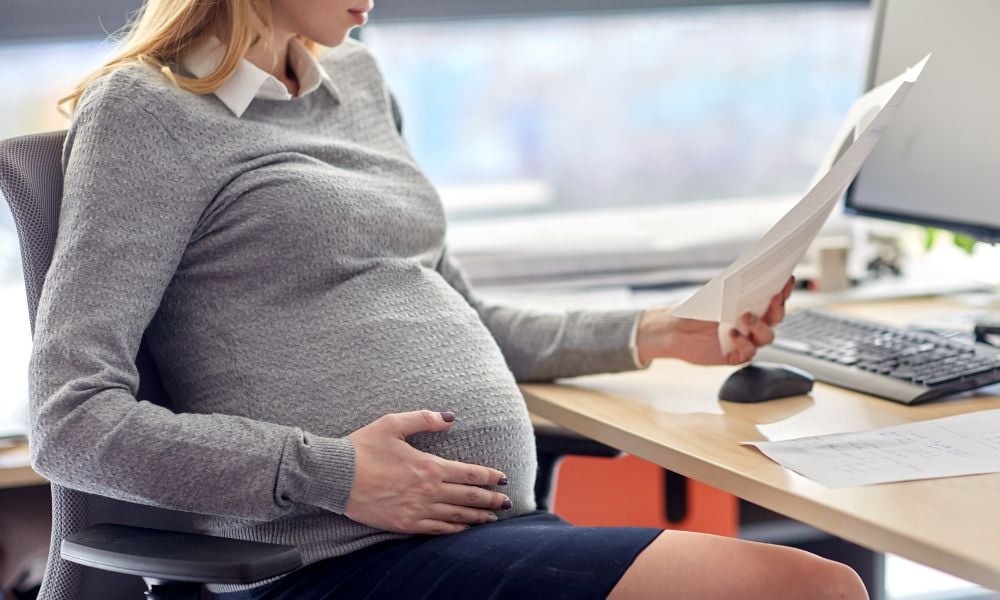
A former personal banker alleges JPMorgan Chase began documenting performance concerns only after she disclosed her pregnancy, and later terminated her employment.
The lawsuit, filed July 23, 2026 in the US District Court for the Southern District of Ohio, sets out a fact pattern many HR teams will recognize: a run of positive feedback that, according to the complaint, gave way to a series of documented "check-ins" soon after a pregnancy was disclosed.
According to the filing, the worker joined as a part-time personal banker in April 2025 and was offered a full-time position in July. Her branch manager praised her in writing on more than one occasion, the complaint says, describing her at various points as an "incredible asset" and a "phenomenal mother."
The complaint alleges the treatment changed after the worker told her manager she was pregnant on or about August 6, 2025. Within days, according to the filing, the bank logged performance "check-ins" dated August 13, 14, and 15 - although, the complaint says, the narrative notes behind them were not entered until August 22. The stated concerns, per the filing, were her restroom use, light snacking, and cellphone use.
The worker alleges each of those was connected to her pregnancy. She says she was experiencing significant morning sickness and needed more frequent restroom breaks, and that she snacked to manage her symptoms. Her cellphone use, the complaint says, was largely work-related or otherwise legitimate - including contacting her physician about what doctors suspected was a high-risk twin pregnancy. The filing states that she did not take or improperly disclose customer information.
According to the complaint, she requested maternity leave on or about October 7, 2025, and formally requested workplace accommodations on December 9 - extended and additional breaks to stand, walk, and use the restroom - providing medical documentation when the bank asked for it. Rather than engage on those requests, the filing alleges, managers continued documenting her.
At a performance review on December 22, according to the complaint, she learned of discipline dated December 5 and roughly seven additional check-ins dated across October, November, and December. Many of the underlying notes, the filing says, were not entered until December 5 or 8 - well after the incidents supposedly occurred. The complaint states that the stress led to a prescription for antidepressant medication.
The worker submitted written responses to the check-ins on January 6, 2026, the filing says. She was terminated the following day, according to the complaint, shortly after returning from lunch. When she later requested her personnel file, the filing alleges, the bank refused.
The complaint claims the bank's stated reasons were a "pretext for unlawful pregnancy discrimination" and describes the conduct as "deliberate, malicious, and intentional." It brings claims under Title VII of the Civil Rights Act as amended by the Pregnancy Discrimination Act, the federal Pregnant Workers Fairness Act, and Ohio's civil rights statute. The worker states that she filed a charge with the Equal Employment Opportunity Commission and received a Notice of Right to Sue.
For HR practitioners, the allegations track the issues that draw the closest scrutiny in pregnancy cases: how an employer responds to a documented accommodation request, whether discipline is recorded contemporaneously or after the fact, and whether performance records stay consistent - here, the complaint points to praise and added responsibilities during the same period later described as one of serious underperformance.
The allegations have not been tested in court. JPMorgan Chase has not yet filed a response, and no court has ruled.