His employer said he failed to show. He said he was sick abroad. What followed cost him everything
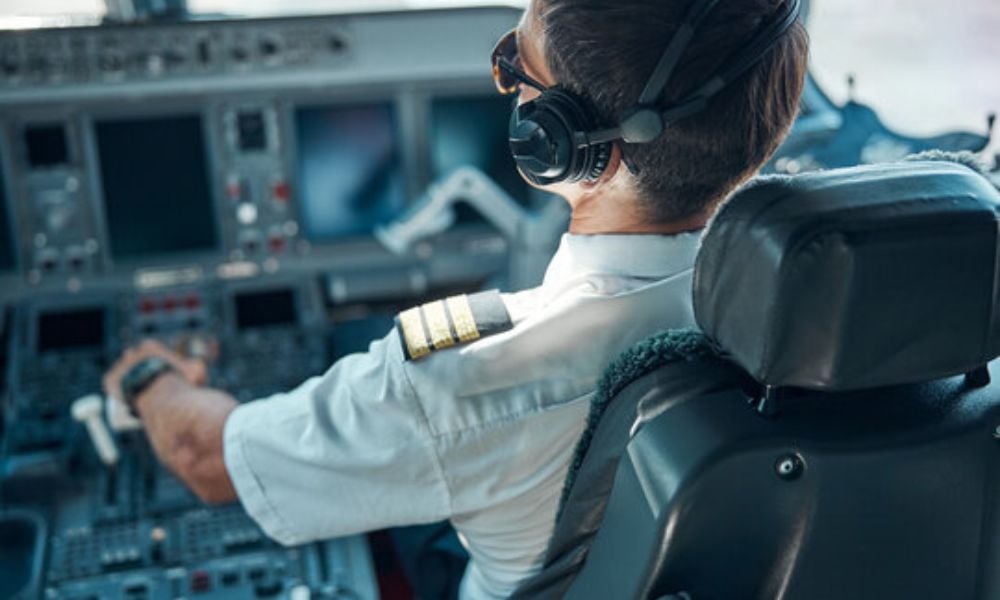
A federal appeals court has ruled that the FAA – not employers alone – must have a say on employee drug test refusals.
On February 27, 2026, the U.S. Court of Appeals for the District of Columbia Circuit handed down a ruling that cuts to the heart of how drug test refusal determinations work in federally regulated workplaces – and who, ultimately, gets to make them stick.
The case began on March 20, 2024, when Ryan Paul, a cargo pilot for Amerijet International, was off-duty and traveling in Vietnam on a personal trip. On April 2, his employer activated him for duty and selected him for a random drug test, requesting that he report for testing that same day – in Seattle. Paul, still in Vietnam, said it was impossible for him to comply. According to Paul, a severe sinus infection had prevented him from returning home as planned. Amerijet determined that Paul had refused a required drug test.
What happened next is where the story gets instructive for anyone in HR.
Two days after that determination, Amerijet notified the FAA of Paul's alleged refusal. Five days after that, Amerijet terminated his employment. According to Paul, Amerijet also reported his test-refusal status to a federal database that prospective aviation employers are legally required to consult before hiring any pilot. Federal rules also kicked in, barring Paul from performing any safety-sensitive duties for any employer until he completed a government-mandated evaluation and treatment process and obtained a new medical certificate. All of this flowed directly from his employer's call – before any government agency had independently weighed in.
The FAA eventually told Paul it would not take enforcement action against him, but it simultaneously treated his employer's refusal determination as a done deal, pointing him to the return-to-duty requirements as though the matter were settled. When Paul pushed back, the agency told him plainly that refusal determinations are made by the employer, not the FAA.
Paul took the matter to court, and the appeals court sided with him – at least in part.
The court found that the FAA's own internal guidance – a document called the Drug and Alcohol Compliance and Enforcement Surveillance Handbook – plausibly requires the agency to independently review an employer's drug test refusal determination before treating it as final. By failing to conduct that review entirely, the court said, the FAA had acted arbitrarily and capriciously, departing from its own procedures.
The court also flagged a deeper concern, stopping short of resolving it outright. If employers can make refusal determinations that immediately upend a worker's career – barring them from their profession, entering a mark in a federal record, and stripping them of their ability to perform their duties – without any meaningful government check on that decision, it raises serious constitutional questions about how much unchecked authority private employers should hold in a government-mandated process.
The court stopped short of ruling on whether Amerijet's original determination was correct. That question goes back to the FAA for a proper review, where the agency must now assess the merits of the refusal determination and explain its position.
For HR and compliance professionals in DOT-regulated workplaces, the ruling is a pointed reminder that an employer's drug test refusal determination, however routine it may feel procedurally, carries consequences serious enough to reach a federal appeals court. The case also makes clear that those determinations do not exist in a vacuum – and that government oversight of them is not optional.