Two former pilot-reservists alleged the airline pushed them out over their military service
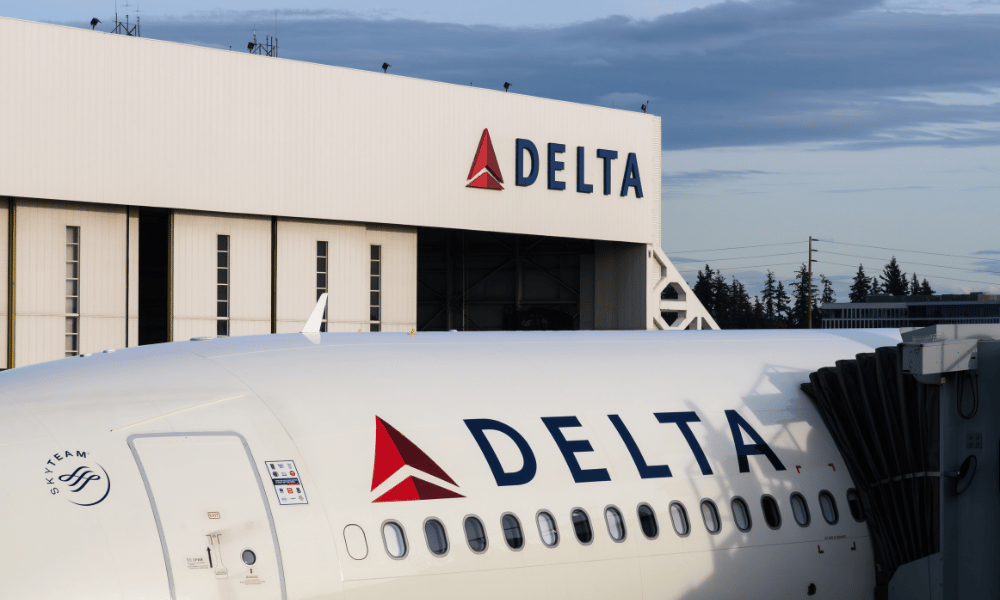
Delta Air Lines prevailed in a federal appeal after two former pilots claimed the airline forced them out over their military service.
The United States Court of Appeals for the Eleventh Circuit on April 22, 2026, affirmed summary judgment for Delta in a case brought by Adam McLean and James Doyle, two former pilots who also served as reservists in the United States Air Force. The pilots sued under the Uniformed Services Employment and Reemployment Rights Act, alleging that Delta constructively terminated them because of their military obligations, shortchanged their pension contributions during military leave, and denied them vacation-time accrual that other employees on comparable leave received.
The court sided with the airline on all three counts.
At the heart of the dispute was how the two pilots used their leave benefits. Delta investigated McLean in 2017 and found a pattern of overlapping sick leave and military duty. On at least eleven occasions, McLean called in sick at Delta and then performed military duties on the same day. He had been warned by a supervisor that doing side work while on sick leave could cost him his job. The investigation also turned up twenty-five instances where McLean falsely reported having military duty, keeping Delta from scheduling him on days he was actually available. He failed to report his military orders on more than one hundred days. At least twice, he flew military jets while being paid to be on standby for Delta. The airline calculated that McLean collected at least $53,628.70 in unearned pay and benefits.
Doyle drew scrutiny in 2015 after telling a supervisor he went skiing over New Year's while he was supposedly home sick with the flu. Delta also found that Doyle had called in sick with a knee injury on a day his military records showed he flew test flights for the Air Force. The airline suspected he was chaining together sick days, military leave, and vacation to stretch his time off. Doyle resigned before the investigation wrapped up. McLean, for his part, chose to resign rather than contest his termination.
The court applied a two-step framework. It accepted that the pilots had shown their military status played a role in how Delta treated them. But it found the evidence was clear that Delta would have taken the same action regardless, because both pilots had abused their sick-leave benefits. The court drew a distinction between Delta's sick-leave policy, which covers employees who are medically unable to work, and its concurrent duty policy, which bars pilots from performing military duty while being paid by Delta. The pilots tried to argue the two were the same. The court disagreed.
On pensions, the pilots argued Delta underpaid contributions during their military leave. The court found the opposite. Because both pilots worked irregular hours – McLean's monthly totals swung from seventy to ninety-nine hours, Doyle's from seventy-two to 104 – their compensation was not predictable enough to use the default calculation method under the statute. Delta instead used a formula it designed to benefit reservists, and the resulting contributions actually exceeded what the law required.
The vacation-time claim also fell short. The pilots pointed to a type of leave Delta offers to senior pilots when the company is overstaffed, called a known leave of absence, during which pilots continue to accrue vacation. But the court found the two types of leave were not comparable. Known leaves of absence last one month, are voluntary, and allow Delta to recall the pilot. Long-term military leave, by contrast, can stretch for years and is not optional. Doyle was on military leave for more than three years.
The decision reinforces a principle that matters for any employer managing a workforce with military-affiliated employees: protected status does not shield an employee from legitimate discipline. But that protection only holds when the employer has done the work – documenting specific misconduct, quantifying the impact, and building a record that stands on its own. Delta did exactly that, and the court found it sufficient.