Random witness picks and no discipline for the supervisor left the airline exposed
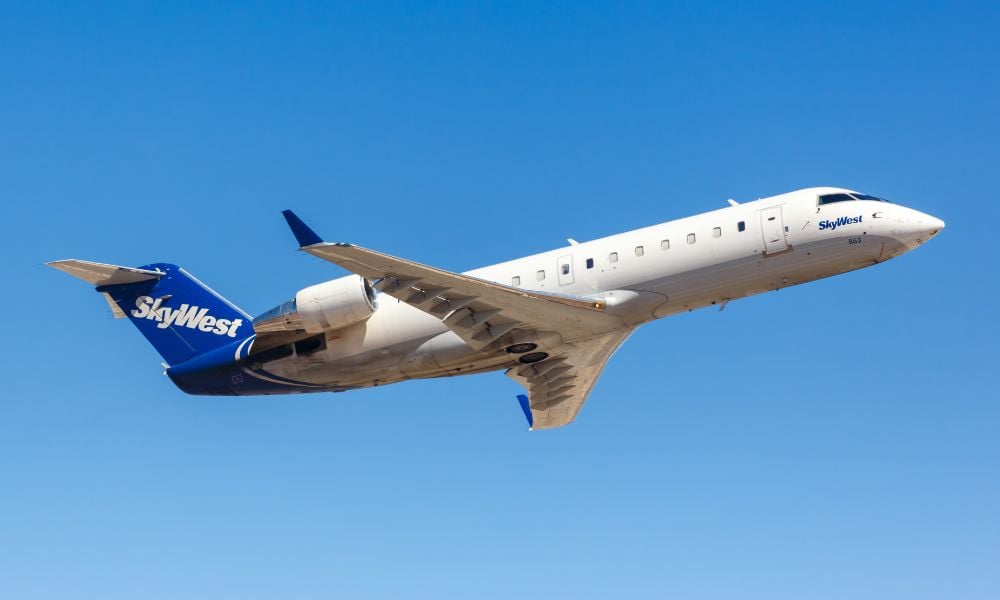
A federal appeals court upheld a sexual harassment verdict against SkyWest Airlines, ruling its weak internal investigation left it exposed to punitive damages.
On July 9, 2026, the US Court of Appeals for the Fifth Circuit affirmed a jury's verdict that SkyWest Airlines harassed one of its workers because of her sex, and then failed to fix it. The case turned largely on how the company ran its own internal investigation.
The Equal Employment Opportunity Commission (EEOC) brought the case under Title VII, the federal law banning workplace discrimination, on behalf of a parts clerk at Dallas-Fort Worth International Airport.
According to the court's account of the trial evidence, the worker faced a steady run of sexual comments from coworkers. She testified that a maintenance supervisor asked whether she "liked whips and chains and leathers." Other employees, the court said, joked about sex, viewed pornography at work, and made repeated references to rape. One worker, in the court's recounting, said "people that cry rape are just stupid."
The employee reported the behavior to her supervisor. She testified that he seemed mostly "annoyed" and cautioned that stepping in would "put a larger target on [her] back." The comments continued. She suffered severe emotional distress, went on medical leave, and later accepted an early retirement package, telling the court she feared the environment would never change.
Her complaint to human resources triggered an investigation, but not a thorough one. The court noted that the HR investigator randomly picked which witnesses to interview, skipped obvious follow-up questions, and never collected key evidence. In the end, four employees received written warnings. The supervisor at the center of the complaints faced no discipline.
That thin investigation sank SkyWest on appeal. A jury can award punitive damages only if a manager acted with malice or reckless indifference, and the court agreed the evidence showed at least one supervisor did. The airline argued its anti-harassment policy and regular employee training proved it acted in good faith - a defense that can shield employers from punitive damages. The court was not convinced, holding a jury could reasonably view the probe as "a feeble attempt to uncover the truth."
The panel also handed employers a notable loss on damages. In what it called an issue of first impression, the court ruled that Title VII plaintiffs have no duty to mitigate emotional-distress damages. In plain terms, an employer cannot argue that a harassed worker should have sought therapy or medication to reduce what she is owed.
Notably, the same jury found SkyWest did not retaliate, yet the punitive award still stood.
The Fifth Circuit affirmed the district court's judgment in full.