Split decision reshapes how HR handles union demands when policies affect employee health and safety
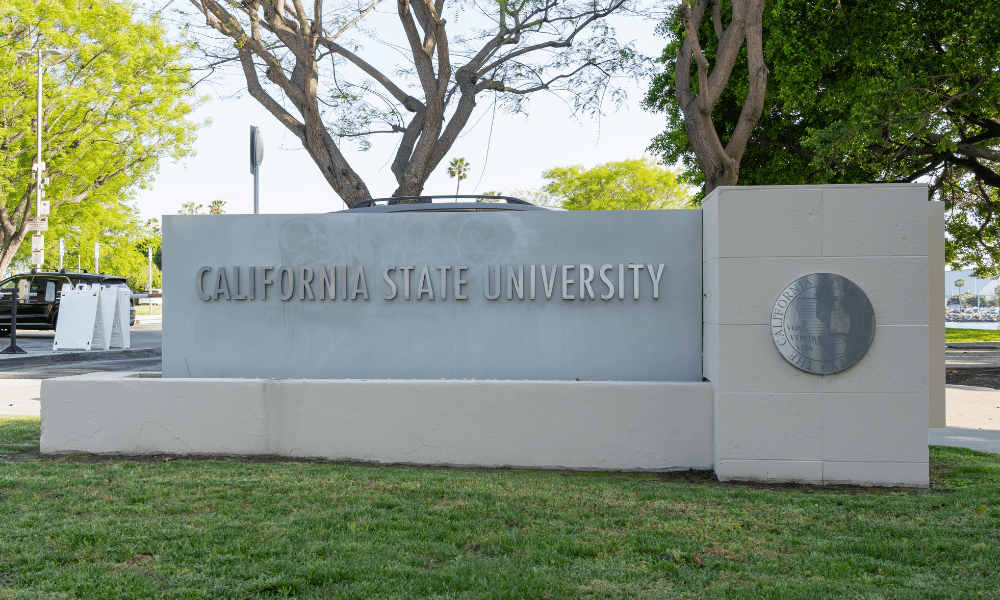
CSU must bargain over student vaccine policy's health effects, but court says informal talks satisfy initial obligations.
The decision, issued January 26, 2026, by California's Second District Court of Appeal, centers on a dispute that started three years ago when California State University scaled back student vaccination requirements. What seemed like a straightforward student policy change turned into a labor relations flashpoint when faculty representatives argued it put immunocompromised professors at risk.
Here's what happened. In February 2023, CSU adopted a new policy requiring only students under 19 to get hepatitis B shots. Everything else, including measles, mumps, and meningococcal vaccines, became optional recommendations. The previous 2019 policy had mandated those vaccines for all students.
The California Faculty Association, which represents professors, lecturers, coaches, counselors, and librarians across the CSU system, caught wind of the change within two weeks. Faculty members started calling in worried. Some couldn't get vaccinated because of allergies to vaccine ingredients. Others with compromised immune systems from chemotherapy, organ transplants, or autoimmune diseases rely on high vaccination rates around them to stay safe.
On February 23, 2023, the union sent CSU a letter demanding negotiations. The message was direct: stop rolling out this policy until we can bargain over the health risks to our members.
CSU's response two weeks later set up the legal battle. On March 8, 2023, the university said it didn't think student vaccination policies were something it had to negotiate with faculty unions. But CSU offered to sit down informally and hear why the union thought otherwise. The university proposed meeting on March 16, 2023, and asked for alternative dates if that didn't work.
The union filed an unfair labor practice complaint with the Public Employment Relations Board on March 8, 2023. After CSU reiterated its position on March 15, 2023, the union declined the meeting offer, saying it disagreed that there was no right to formal negotiations and had already filed charges for that reason.
What followed was a journey through California's labor relations machinery. An administrative judge sided with the union in January 2024, ordering CSU to reverse the policy and make affected employees whole for losses. The Public Employment Relations Board mostly agreed in August 2024 but softened the penalties, declining to order rescission of the policy and instead directing CSU to reimburse the union for wasted resources.
Then the appeals court weighed in with a decision that gives both sides something to think about.
The court said yes, CSU does have to bargain over how this policy affects faculty health. Expert testimony showed that immunocompromised employees depend on what's called community immunity. When vaccination rates drop below certain thresholds, particularly for highly contagious diseases like measles, these employees face real health risks in classrooms.
CSU had argued that existing disability laws already protect these workers through individual accommodation requests. The court wasn't buying it. Just because employees can ask for accommodations doesn't mean unions lose their right to bargain collectively over workplace health concerns.
But here's where CSU caught a break. The court found no solid evidence that the university had actually started putting the new policy into practice before the union filed its complaint in March 2023. The policy said it applied to students starting that fall. Only two campuses had even posted information about it by August 2023, five months after the complaint landed.
That timing mattered because employers generally need to provide a chance to bargain before implementing changes, not just before announcing them.
The court also said CSU's offer to meet informally was enough to satisfy its obligation to discuss whether the policy really affected working conditions. Some labor board decisions suggest these clarification talks have to happen at the formal bargaining table. This court disagreed, saying that approach would force employers into full negotiations over management decisions that might not even be bargainable.
The decision sends the case back for the university and union to actually negotiate over the policy's effects on faculty health. The remedy ordering CSU to reimburse the union for wasted time and resources got tossed out.
For HR professionals managing union relationships, especially in the public sector, this case offers some practical takeaways. Policy changes that seem removed from employment terms can still trigger bargaining obligations if they create reasonably foreseeable impacts on working conditions. Health and safety effects count, even for policies aimed at students or customers rather than employees directly.
The decision also clarifies that announcing a policy isn't the same as implementing it. HR teams working on policy rollouts may have breathing room between adoption and implementation to engage in required discussions.
And perhaps most importantly for day-to-day labor relations, the ruling suggests informal conversations can satisfy initial obligations to clarify what's on the table for bargaining. Employers don't necessarily have to jump straight into formal negotiations when they genuinely question whether a union demand covers bargainable subjects.