New ILO paper reveals intrusive surveillance, loss of job autonomy as risks emerging from AI deployment

Artificial intelligence adoption in workplaces is creating risks for psychosocial working conditions, according to the International Labour Organisation (ILO), as it called for protections to address the impact of AI on the world of work.
The ILO's latest working paper identified various risks associated with the use and the deployment of AI systems in the workplace.
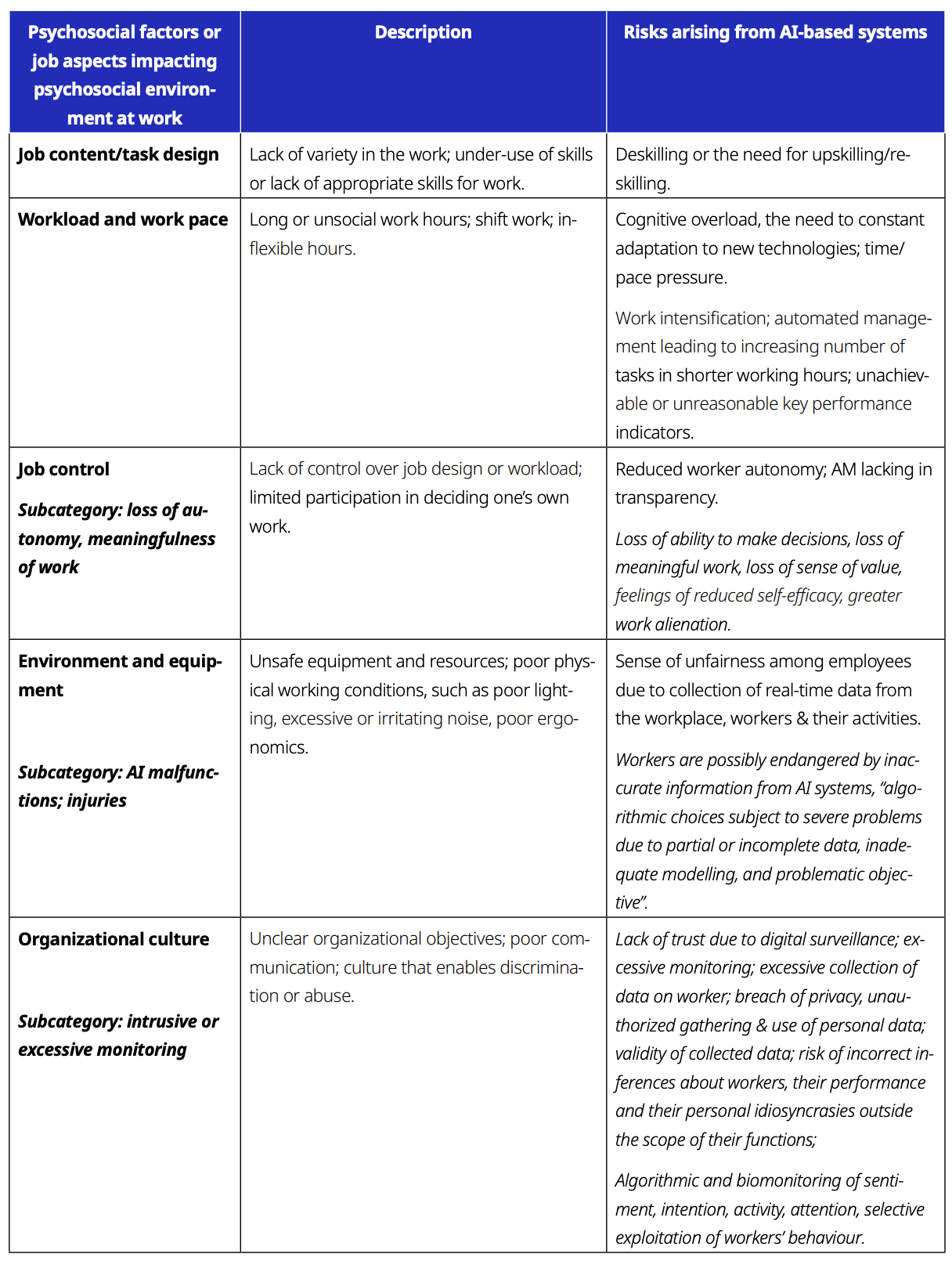
"These include intrusive surveillance, loss of job autonomy and workplace dignity, excessive data collection, and lack of workplace transparency as emerging psychosocial risks associated with the deployment of AI systems," the paper read.
According to the report, AI-based systems trigger risks such as cognitive overload and work intensification, as automated management leads to an increasing number of tasks within shorter working hours.
AI also risks reducing worker autonomy, leaving employees without the ability to make decisions, carry out meaningful work, and a sense of value.
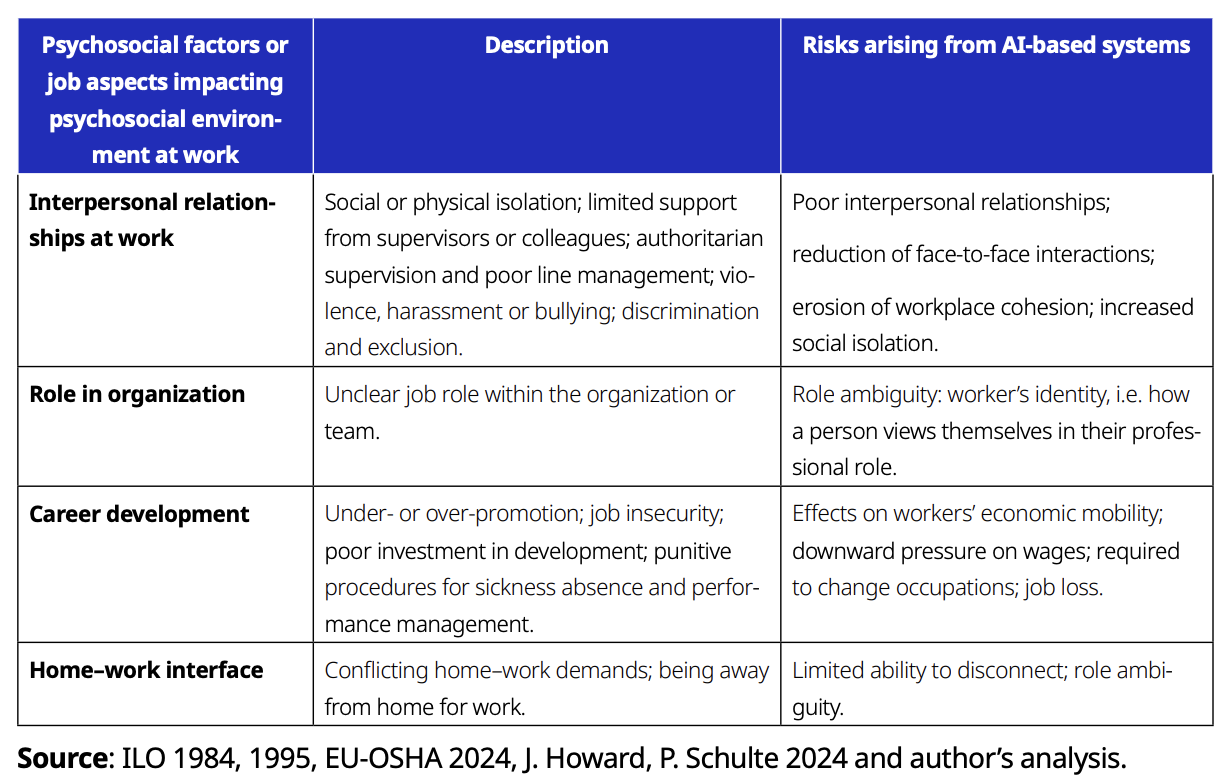
The technology further introduces risks to interpersonal relationships as it reduces face-to-face interactions and increases social isolation among colleagues.
Additionally, AI also risks triggering a sense of unfairness among employees due to the real-time collection of data from the workplace, with trust potentially eroding as a result of this excessive collection of data and monitoring.
Guardrails needed to address risks
The ILO noted that these risks are not always well captured by existing occupational safety and health frameworks, pointing out that many pieces of legislation remain focused more on physical hazards than on mental and social aspects of work.
"To date, there is no comprehensive legislation that specifically addresses AI-related changes to the world of work," the ILO said.
"This ILO paper stresses that addressing risks generated by digital technologies would require an integrated policy approach. This includes combining labour and employment regulations with occupational safety and health, equality and non-discrimination, and data protection frameworks."
The paper acknowledged that there have been efforts to address how surveillance systems are deployed in workplaces.
However, there is more room for improvement when it comes to the other risks involved.
"While excessive risks emerging from excessive data collection may require, in the interim, regulatory improvements for workers' privacy, what is lacking is the regulation of even more complex psychosocial factors, namely loss of job autonomy, dignity at work, and workplace transparency," the report read.
"These issues raise fundamental questions about what the future human-centred world of work should look like."