Kimberly Jones, talent strategy and people experience leader, says the takeaway for HR leaders is to listen to employees and design benefits that reflect their changing needs
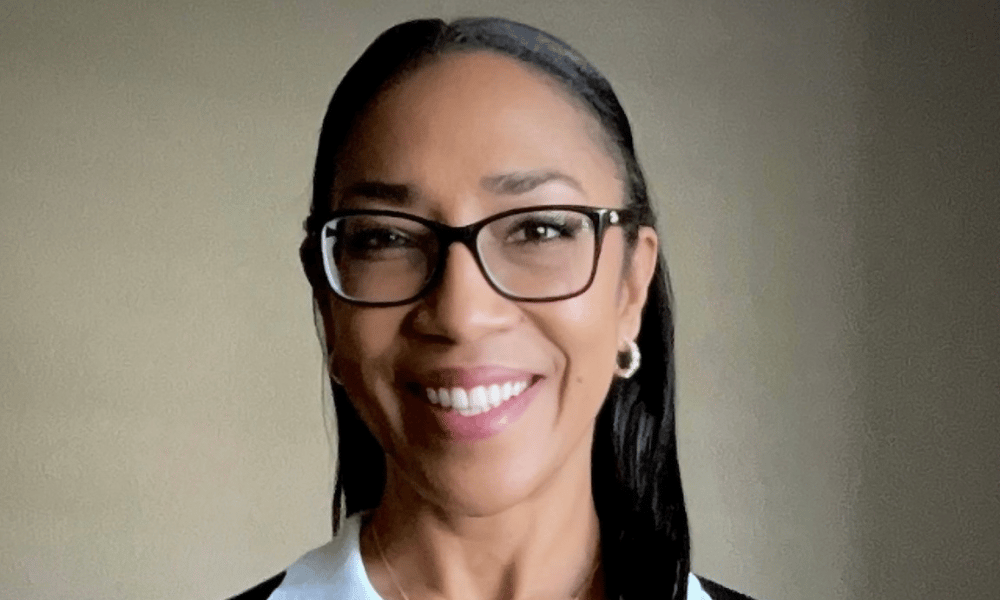
PwC has seen a double-digit year-over-year increase on the expanded caregiving benefits it has invested in, with employees using more than 8,000 back-up care days in FY25 and drawing more than $5 million in reimbursements.
This increase comes as a result of the company transforming marketing and promotin of benefits information internally, so employees are aware of what is available as their caregiving needs change, says Kimberly Jones, talent strategy and people experience leader.
"Through our twice-yearly Global People Survey, focus groups, staff councils and employee resource groups, we actively seek out feedback to understand what our people need most," Jones says.
For her, the uptake underscores why benefits programs can’t be treated as an afterthought. These offerings have become essential supports for a workforce balancing demanding work with family responsibilities and have contributed to employee tenure and satisfaction, she says.
This is particularly relevant now, with findings from Prudential's 2025 Benefits and Beyond study revealing that only 52% of employers are offering paid caregiving leave to staff. This is despite 55% of employees saying they are extremely or very interested in the benefit, according to the report.
Seeing this demand in the company's workforce prompted the expansion of a benefits program built on choice, which Jones highlights as an essential factor for employers offering benefits that employees actually want.
For PwC this meant investing in subsizided childcare, a care reimbursement program, expanded parental leave and a phased return to work program for new mothers, Jones says.
“We want our people to feel supported, and we want them to be able to navigate the very demanding environment that we have at PwC,” Jones says.
Continuous feedback, not one-size-fits-all
Listening to employees has been central to every decision. Partnerships with childcare organizations, for instance, were chosen only after extensive research into location, cost and service quality, she says.
“That’s the first and most important thing that we do is maintain an open dialog with our people to understand what their wants are, what their needs are, what would be helpful to them,” she says.
This shouldn't be a "one and done” decision. Jones emphasizes the need to continually assess the benefits and partnerships they offer to ensure they deliver as intended and to add features that make them more useful.
“The feedback tells us that we’re meeting a need that they actually have and that they appreciate the fact that we understand across 75,000 people in our firm, it’s not a one size fits all approach,” she says.
Supporting employees through every life stage
Catering to such a multigenerational workforce is complex. Jones notes that needs range from employees whose pets are their families, to first-time parents, adoptive parents and those caring for aging relatives. To address this, PwC offers a broad “menu” of options employees can draw from at different life stages.
“We have what sometimes feels a little an overwhelming array of choices, and we’re always trying to help our people understand the different things we have,” she says. “So, it’s personalized in that way, even though we have a large number of offerings that are available to everyone.”
The phased return to work program for new parents is one of the most impactful examples. Jones points to a director on her team who will use the firm’s transition program, returning on a 60% schedule for four weeks while still receiving full pay.
That kind of flexibility, she adds, directly addresses the challenges many women face when returning from maternity leave. According to a poll from LiveCareer, 86% of working mums believe that taking maternity leave sets back their advancement or costs them promotions and 93% have been criticised for taking time off for child-related needs.
Too often, careers stall because the transition back to full-time work is abrupt and unsustainable. By phasing the return, PwC aims to prevent that drop-off, Jones says.
Benefits as a tool for recruitment and retention
PwC has also seen an impact on recruitment. Jones notes that many entry-level hires are already thinking ahead to future life stages, and the firm’s caregiving benefits are a draw for those who want long-term career stability without sacrificing family support. She adds that the programs are regularly highlighted in recruiting conversations, where they are met with strong interest.
For HR leaders, the message is clear: this is not about copying another company’s package but about building benefits based on actual employee needs, Jones says.
“Some of the biggest success factors we’ve experienced include listening to what your people need, versus just assuming or doing what other companies are doing, and understanding that it’s not a one size fits all approach; you may have people who are in different stages of need and [its important] to be ready and willing to try to address that as best you can,” Jones explains.
She emphasizes the investment required to sustain this level of support.
“This isn’t something that’s always front and center that everyone sees, but like I’ve mentioned, we have dedicated teams that look at the different benefits that are out there, across different demographics, to understand the life stages that people are in to always try to put together a package of benefits and opportunities that our people can take advantage of and feel supported,” she says.