'Organisations must reset their TR strategies to attract and retain critical talent while optimising costs'

Employees' priorities are moving away from work-life balance and career growth, as employers are urged to "reset" their total rewards (TR) strategy to keep up with the workforce's shifting needs, according to a new report.
Findings from Gartner's latest poll among 10,055 employees found that the 15 most-valued TR offerings across categories are dominated by financial stability and protection from unanticipated costs.
Paid-time off, work-life balance, and individual pay differentiation, which were previously in demand before, are now seen as less important.
Augustus Vickery, director analyst in the Gartner HR practice, said the rising attention to medical benefits, long-term incentives, and flexible financial benefits comes as workforce needs shift and become "more fragmented."
"In today's uncertain business environment, organisations must reset their TR strategies to attract and retain critical talent while optimising costs," Vickery said.
What strategies can HR implement?
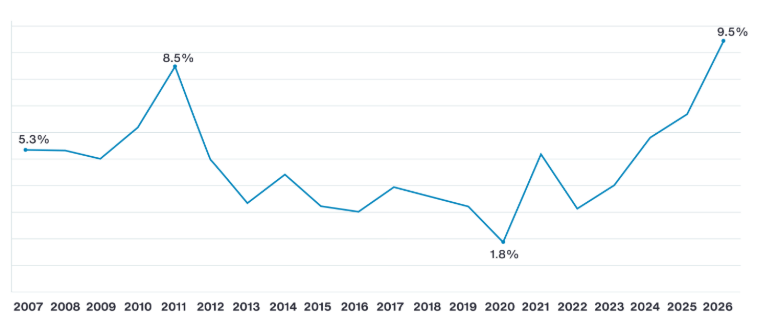
The findings come in the wake of surging healthcare costs over the past years, with 2027 not being an exception. In the United States, Aon forecasts that healthcare costs for US employers will further increase by 9.5%, charging toward double-digit increases.
 According to Gartner, chief human resources officers should ensure that their programmes are in line with what workers want, such as protection from unexpected medical costs.
"GLP-1 access and fitness subsidies should be positioned as preventive health offerings in benefit communications to improve participation and connected health outcomes, such as healthcare cost reduction and improved employee productivity," the report read.
In addressing the desire for financial stability, the report suggested expanding access to long-term incentives for new talent segments, as well as piloting the use of cash incentive units with non-executive or non-leadership workforce populations as a performance driver.
It also suggested transparently removing underutilised well-being benefits and offering lifestyle spending accounts (LSAs) that employees can use for what they personally need.
"Employees do not value most individual well-being benefits, except for LSAs, GLP-1 access, and fitness subsidies, offering CHROs the opportunity to make targeted changes to the well-being benefits offered," said Joe Coyle, vice president analyst in the Gartner HR practice.