Medical cost trends are nearing double digits as AI-assisted billing adds a new layer of employer risk
US employers are heading into 2027 facing healthcare cost growth not seen in nearly 15 years and a less visible force, artificial intelligence used by hospitals to sharpen billing precision, is amplifying the pressure.
The 2027 Segal Health Plan Cost Trend Survey, the firm's 30th annual survey of managed care organizations, health insurers, pharmacy benefit managers (PBMs), and third-party administrators (TPAs), projects a median medical trend of 9.9 percent for open-access preferred provider organization (PPO) plans in 2027. Prescription drug costs are projected to climb 11.5 percent. Both figures land near a 15-year high and follow actual medical trend of 8.9 percent recorded in 2026, up from 8.0 percent in 2025, according to Segal's own plan experience data.
For HR and benefits leaders finalizing plan designs and budgets, the trajectory is unforgiving. Pre-pandemic medical trends ran at five to six percent. They climbed through seven, eight, and nine percent in successive years and are now expected to hold near double digits across multiple consecutive cycles. The compounding effect on employer costs is severe.
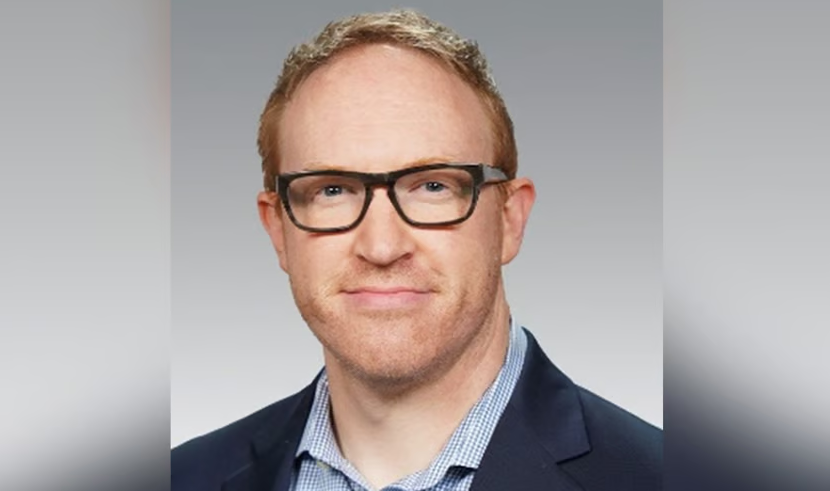
"Employers want to offer great benefits, but at a certain point they're limited in what they can absorb and what strategies can be effective in mitigating it without causing consternation for their employees," said Eric Miller, FSA, CERA, MAAA, vice president and consulting actuary at Segal in New York.
Drivers go deeper than inflation
Broad economic inflation is part of the story - it flows through providers and carriers into the price of medical services - but Miller is clear it is not the whole story.
Provider consolidation has reshaped healthcare market leverage for years, and private equity's entry into medical practices has added further upward pressure. The Segal survey notes that PE-acquired practices charge higher prices and generate higher patient volumes, with consolidation strengthening negotiating power and driving higher contracted rates.
The No Surprises Act's independent dispute resolution (IDR) process, which is designed to protect employees from unexpected out-of-network bills, has transferred significant and largely unreported costs onto plan sponsors. According to the Department of Labor's guidance on the No Surprises Act, the legislation was intended to shield patients from unexpected charges; in practice, providers are winning approximately 88 percent of IDR disputes, often at payment multiples of three to ten times in-network rates for the same service, particularly in emergency care, surgery, and anesthesiology. The Segal survey estimates the process has generated approximately $5 billion in additional system costs since 2022.
GLP-1 drugs: a plan design decision with no easy answer
Glucagon-like peptide-1 (GLP-1) receptor agonists are the most visible cost driver on the pharmacy side, and the numbers illustrate why HR leaders cannot treat this as a peripheral issue.
Plans that covered GLP-1s for obesity management recorded a prescription drug trend rate of 18.3 percent in 2025, with 8.8 percentage points directly attributable to GLP-1s, according to Segal's plan experience data. Plans that did not cover GLP-1s for obesity saw drug trend of 10.5 percent.
Cost reduction has overtaken attracting and retaining talent as the leading factor influencing benefits decisions, according to Chicago-based Lockton's 2026 National Benefits Survey, with 54 percent of employers ranking reducing costs as their top priority, up from 38 percent in 2025. GLP-1 coverage decisions sit squarely in that crossfire.
The picture is further complicated by expanding clinical indications. GLP-1 therapies initially approved for diabetes have since been cleared for obesity, cardiovascular risk reduction, and sleep apnea, with additional indications under active investigation. As the eligible population grows, so does the financial exposure for plans that cover these drugs and the talent risk for those that do not.
"If you're the only one in your industry that has particularly generous coverage, or particularly restrictive coverage, that's going to impact your ability to recruit and retain talent," Miller said.
AI-assisted billing is shifting costs onto plan sponsors
Perhaps the least-discussed dimension of rising medical costs is how AI is changing the billing dynamic between providers and payers.
The 2027 Segal Health Plan Cost Trend Survey identifies AI-assisted billing and clinical documentation as a contributor to medical cost trend for the year ahead. A March 2026 study by the Blue Cross Blue Shield Association (BCBSA) and Blue Health Intelligence, cited in the Segal report, found that expanded AI-assisted documentation captures additional diagnoses and comorbidities without corresponding changes in treatment delivered. Approximately 20 percent of inpatient cost growth within a nine percent overall increase was attributable to coding intensity rather than more care.
Miller described the dynamic plainly: where hospitals once billed using broad approximations, AI now produces precise documentation that consistently lands at the high end of every billing category. Payers are deploying AI on the other side to detect fraud, waste, and abuse, but the cost pressure on plan sponsors is already running ahead of those defenses.
What HR leaders should be doing now
Soaring healthcare costs are forcing employers to rethink how they manage staff benefits, moving away from reactive plan adjustments toward continuous oversight and data-driven benefits governance, according to Gallagher's 2026 Workforce Trends Report – Benefits Benchmarks, which found that benefits strategy is increasingly being treated as an ongoing management discipline rather than an annual exercise.
Miller expects the most significant employer decisions over the next two years to center on network strategy, moving from broad PPO structures toward narrower or tiered products, and using site-of-care steerage to shift utilization from hospital settings to ambulatory surgery centers and physician offices. The Segal survey ranks site-of-care steerage among the top five medical cost management strategies for 2026.
On employee communication, Miller argues that helping workers understand what is driving cost increases - and how much the employer has already absorbed - is essential to making plan design changes sustainable. That conversation is becoming more urgent: employee affordability concerns are now contributing to measurable workplace tension, with 27 percent of US workers telling SHRM that cost pressures contributed to workplace incivility they experienced or witnessed in the second quarter of 2026.
Despite the pressure, only two percent of North American employers are considering cutting benefits outright, according to research cited in the 2026 Global Benefits Forecast by MBWL International and Normandin Beaudry. The more common response - getting smarter about how benefits dollars are allocated without reducing coverage - is where most HR teams are focused heading into 2027.
Miller does not expect medical cost trends to hold at current levels indefinitely. Increased GLP-1 market competition, biosimilar drug adoption, and bipartisan momentum on pharmacy benefit manager (PBM) reform all point toward eventual moderation. The Segal survey notes that federal PBM reform enacted under the Consolidated Appropriations Act (CAA) of 2026 will require PBMs to pass 100 percent of manufacturer rebates to plan clients, though commercial-market requirements do not fully take effect until 2028–2029.
"I don't think trends will stay at this kind of eye-catching 10 percent level," Miller said. "I think trends will moderate and the situation will improve."
For now, the gap between that expectation and the next renewal cycle is where most HR leaders are working.