For decades, we have structured work around jobs; focusing heavily on job titles, job descriptions, job architectures, and career pathways to impose structure. It has been a convenient abstraction, but it is increasingly disconnected from reality
The pace of technological change, particularly driven by AI, is forcing organisations into a position where they can no longer rely on static roles, inferred capability, or fragmented workforce data to make critical decisions.
The shelf life of skills is shrinking and roles are morphing faster than organisations can redesign them. Yet most workforce strategies are still built on models that assume stability. This gap is fast becoming one of the biggest risks facing organisations today.
Across every executive conversation I’m involved in there is a consistent theme, organisations cite they can’t find the skills they need. Yet most do not have a clear, real-time understanding of the capability that already exists within their workforce. Without this, it’s difficult to determine where skill gaps truly exist.
Workforce capability is often hidden in resumes, buried in performance reviews, or reduced to broad assumptions about roles. It is rarely structured or comparable, forcing organisations to fall back on proxies like tenure or job history when reviewing the depth of workforce talent. As a result, hiring often becomes the default solution to filling a perceived skills gap, even when the capability may already exist internally.
At the same time, individual workers face similar blind spots. Many struggle to articulate their skills in ways that translate across roles or industries. Their skills are not portable in a meaningful way.
It is an inefficient system on both sides. Organisations underutilise capability and individuals do not fully recognise their own ability or transferable skills.
The shift to a skills-based operating model
What is emerging is not just a trend towards skills-based hiring or updated frameworks. It is a deeper shift towards a skills-based operating model where work is broken down into clearly defined measurable capabilities that can be matched to people and mobilised in real time.
It is a shift that changes everything. Workforce planning moves from static headcount models to dynamic capability mapping, and talent mobility becomes proactive. Learning investment aligns directly to organisational need, and succession planning becomes grounded in evidence, not assumption. And critically, decision-making improves.
When workforce data becomes precise, structured, and comparable, it moves from being informational, to decision-grade.
Why this is an infrastructure problem, not just a HR initiative
This shift will not be solved through incremental change. It requires organisations to rethink how capability is defined, measured and used across the business. Not as a standalone program, but as core infrastructure that underpins decision-making.
That means creating a consistent, organisation-wide view of skills. Ensuring that capability data is structured, comparable, and integrated across systems. And most importantly, making data usable in real-time to inform workforce, investment, and operational decisions.
Organisations that treat this as a layer on top of existing models will struggle. The ones that treat it as foundational will move faster, allocate resources more effectively, and build a workforce that can adapt as conditions change.
For those that get it right, the rewards will be significant: smarter decision-making, reduced reliance on external hiring, and a more resilient workforce. Individuals will gain clarity about their capabilities and have greater mobility across roles and industries. At a system level, it will create the conditions for a more efficient and equitable labour market.
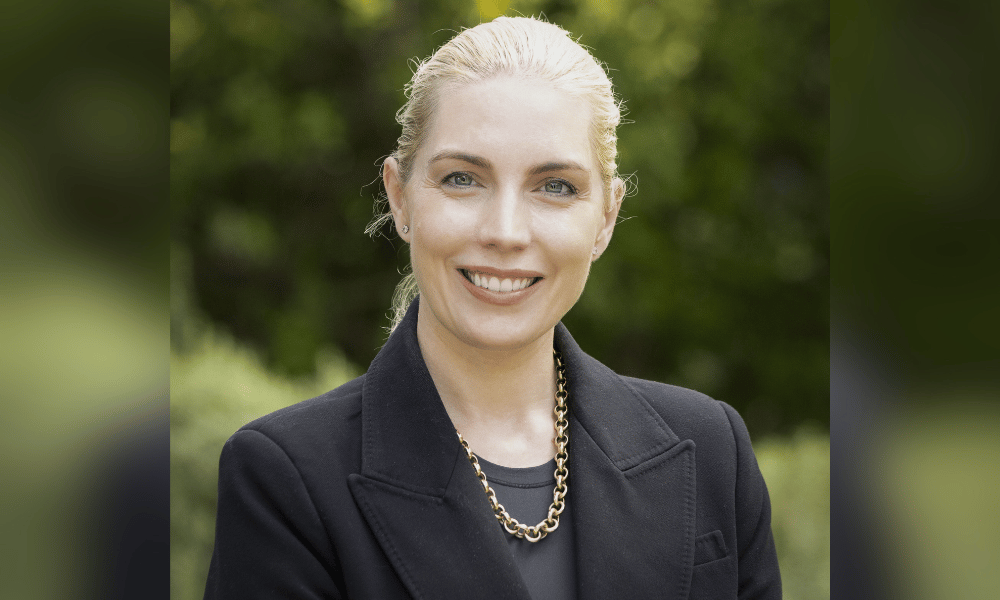
Cia Kouparitsas is the CEO of Greenbeam